


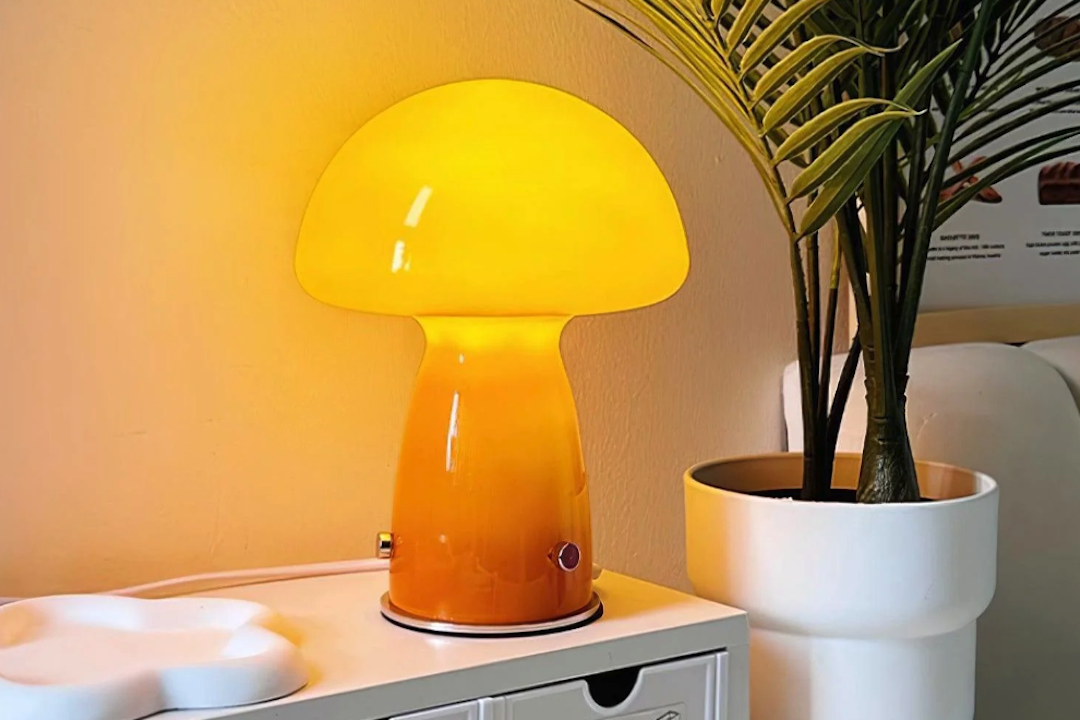
So, you’re eyeing those Bauhaus metal mushroom table lamps. Good choice! These aren’t just decorative pieces; they’re smart design that brings a touch of timeless cool to any room. Think of them as the ‘little black dress’ of lighting – classic, versatile, and always in style. They offer warm, diffused light without being flashy, making them perfect for creating a chill vibe. We’ll dive into what makes them tick, some really practical considerations, and how to actually integrate them into your space without feeling like you’re living in a museum.
When we say “Bauhaus metal mushroom table lamp Ladanmu,” we’re talking about a specific aesthetic that emerged from the influential Bauhaus school of design in Germany during the early 20th century. But don’t let the history lesson scare you – it’s all about clean lines, functionality, and using materials honestly.
A Nod to the Masters: Bauhaus Principles in Play
The core idea behind Bauhaus was to unify art, craft, and technology. Applied to a lamp, this means:
- Simplicity is Key: No fussy details, no unnecessary ornamentation. The form follows the function. A mushroom lamp, by its very name, suggests a simple, organic shape.
- Material Honesty: If it’s metal, it looks like metal. If it’s glass, it looks like glass. There’s an appreciation for the inherent qualities of the materials.
- Functionality First: The primary purpose of the lamp is to provide light. How it does that, and how it integrates into your daily life, is paramount.
- Mass Production Ready (or Inspired): While many original Bauhaus pieces were high-end, the school’s philosophy leaned towards designs that could be made efficiently and affordably, making good design accessible.
The “Mushroom” Shape: More Than Just a Pretty Cap
The characteristic silhouette of these lamps is the “mushroom” shape. This typically involves:
- A Domed or Conical Shade: This is the “cap” of the mushroom. It’s usually made of metal, often brushed or polished aluminum, chrome, or sometimes painted steel. This shade is crucial for diffusing the light.
- A Stem and Base: The stem connects the shade to the base, and the base provides stability. Again, these are usually made of the same metal as the shade or a complementary one. The base is generally simple and unobtrusive.
It’s this combination of simple geometry, honest materials, and a shape that inherently softens light that makes these lamps so enduring.
Beyond the Basics: Features That Matter in a Mushroom Lamp
So, you’ve decided you want one. Now, what should you actually look for beyond just the shape? There are practical features that will make your lamp a joy rather than a pain to use.
Light Quality: The Heart of the Matter
The “mushroom” shape is brilliant for a reason: it’s designed to produce a specific kind of light.
- Diffused Glow: The metal shade is opaque, meaning the light source itself is hidden. This prevents harsh glare and creates a soft, ambient glow that fills the space without being overpowering. This is ideal for creating a relaxing atmosphere, perfect for reading or winding down.
- Uplighting vs. Downlighting: Some mushroom lamps primarily direct light upwards onto the ceiling, which then bounces back down, creating a very even, shadowless illumination. Others might have a slightly more directional quality, casting a pool of light downwards. It’s worth considering what kind of lighting suits your needs.
- Bulb Type Compatibility: Pay attention to the type of bulb the lamp is designed for. Many modern versions will accommodate LED bulbs, which are energy-efficient and long-lasting. Check the base type (e.g., E27, E14) to ensure you can use your preferred bulbs.
Material Choices: Durability and Aesthetics
The material of your lamp significantly impacts its look, feel, and longevity.
- Aluminum: A popular choice for its lightness, corrosion resistance, and ability to take on various finishes. Brushed aluminum offers a subtle, matte look, while polished aluminum is more reflective.
- Steel: Can be e-coated, chrome-plated, or powder-coated. Steel tends to be heavier and more robust than aluminum. Chrome plating offers a classic, high-shine look. Powder coating allows for a wider range of colors.
- Brass/Copper: Less common in strict Bauhaus interpretations but sometimes appear in modern takes, adding a warmer, richer tone. These can develop a patina over time, which some people find desirable.
- Finishes: Matte, brushed, polished, anodized – each finish offers a different visual effect. Brushed metal is fantastic for hiding fingerprints, while polished surfaces can make a statement but will show every smudge.
Size and Scale: Fitting Your Space
These lamps come in a surprising range of sizes, and choosing the right one is crucial.
- Desktop/Bedside: Smaller lamps are perfect for end tables, nightstands, or even a home office desk. They provide task lighting without dominating the surface area.
- Floor Lamp Variations: While less common for the pure “mushroom” silhouette, some floor lamps incorporate a similar diffused shade. These are great for larger spaces or as general ambient light sources.
- Proportion is Key: A tiny lamp on a huge table will look lost, and a massive lamp on a small bedside table will feel overwhelming. Measure your space and consider the lamp’s footprint.
Power and Control: Ease of Use
This is where modern manufacturing really shines.
- Inline Switches: Many lamps have a simple on/off switch located on the power cord. This is straightforward and functional.
- Base Switches: Some models incorporate a switch directly into the base, which can be more convenient for reaching.
- Dimmer Functionality: If you’re buying a newer model, look for one that’s dimmable. This gives you complete control over the ambiance and is a fantastic feature for a bedside or living room lamp. Ensure the dimmer is compatible with LED bulbs if you plan to use them.
- Cord Length: Think about where your outlet is in relation to where you want the lamp. A longer cord offers more flexibility.
Where to Place Your Mushroom Melody: Integrating into Your Decor
The beauty of the Bauhaus mushroom lamp is its versatility. It’s not a design piece that demands to be the center of attention, but it can certainly hold its own.
The Classic Cornerpiece: Beside the Sofa or Armchair
This is arguably the most common and effective placement.
- Reading Nook Enhancement: Position a lamp on an end table next to your favorite reading chair. The diffused light is perfect for settling in with a book, and the simple design won’t distract from your reading material.
- Ambient Living Room Light: Use one or twolamps on side tables flanking a sofa to cast a warm, inviting glow. This can supplement overhead lighting or provide the sole source of illumination for a more intimate evening.
- Task Lighting for Hobbies: If you knit, do puzzles, or engage in any other seated hobby, a well-placed mushroom lamp can provide comfortable, glare-free light.
The Bedside Buddy: For Serene Slumber
Your bedside table is prime real estate for a mushroom lamp.
- Gentle Wake-Up: A soft glow is much more pleasant than a harsh overhead light when you’re waking up or before you go to sleep.
- No More Fumbling: An easily accessible switch on the cord or base means you don’t have to get out of bed in the dark to turn off the light.
- Consolidated Style: If you have a simple, modern bed frame, a matching mushroom lamp reinforces that clean aesthetic.
The Desk Dynamo: Adding a Touch of Sophistication to Work
Even if your workspace is at home, good lighting is essential.
- Focused Illumination: A desk lamp should provide enough light to see your work without causing eye strain. The diffused quality of a mushroom lamp is excellent for this.
- Aesthetic Upgrade: It instantly elevates your desk setup from purely functional to something more stylish and considered.
- Avoid Glare on Screens: The upward-facing shade helps direct light away from your computer monitor, reducing screen glare.
Unexpected Accents: Beyond the Obvious Spots
Don’t be afraid to think outside the box.
- Hallway Console Table: A slim mushroom lamp on a hallway console can provide a welcoming light as you enter or leave your home.
- Kitchen Countertop: A smaller lamp can add a cozy touch to a kitchen island or countertop, especially for evening entertaining.
- Entryway Vignette: Place one on a shelf or entryway table for a warm greeting.
Style Pairings: Making Your Mushroom Lamp Sing
These lamps are wonderfully adaptable. They don’t demand a specific decor style, but they do have certain elements that they complement particularly well.
Mid-Century Modern’s Best Friend
This is where the mushroom lamp truly shines.
- Complementary Silhouettes: The rounded, organic forms of many mid-century modern pieces (think Eames chairs, Noguchi tables) find a natural partner in the mushroom lamp.
- Material Harmony: The metal finishes often work beautifully with wood tones, teak, walnut, and other materials popular in this era.
- Functional Elegance: Mid-century design is all about functional beauty, which is precisely what the Bauhaus mushroom lamp embodies.
Minimalist Magic
If your style leans towards clean lines and uncluttered spaces, the mushroom lamp is a no-brainer.
- Unfussy Simplicity: The lamp itself is a testament to minimalist principles – form over adornment. It won’t disrupt a pared-back aesthetic.
- Subtle Statement: It can act as a very refined accent piece, adding a touch of understated sophistication without being loud.
- Focus on Light: In a minimalist room, the quality of light becomes even more important, and the diffused glow of these lamps is perfect.
Industrial Chic’s Soft Side
The metal construction of Bauhaus lamps makes them a natural fit for industrial interiors.
- Textural Contrast: The smooth metal of the lamp can provide a pleasing contrast to rougher textures like exposed brick, concrete, or reclaimed wood.
- Balancing the Hardness: While industrial design can sometimes feel stark, the soft, diffused light from a mushroom lamp adds a touch of warmth and comfort, balancing the more utilitarian elements.
- Functional Sophistication: It adds a layer of considered design to an otherwise raw aesthetic.
Eclectic Mix-and-Match
Don’t think you have to commit to one style.
- Bridging Different Elements: A metal mushroom lamp can act as a bridge between more traditional furniture and modern accents, or between different color palettes.
- Adding a Touch of Retro Cool: Even in a contemporary setting, it can inject a subtle retro vibe without feeling costume-y.
Finding Your Future Lamp: What to Look For When Buying
Navigating the world of lighting can be a bit of an adventure, and Bauhaus-inspired lamps are no exception. Here’s a practical guide to help you find a good one.
Replica vs. Original: Defining Your Budget and Expectations
This is a big one.
- Original Vintage Pieces: If you’re a collector or have a generous budget, you might find original Bauhaus-era lamps. These will likely be expensive, have unique patina, and may require rewiring or restoration. Authenticity is the draw here.
- Reproductions and Replicas: Most of what you’ll find are well-made reproductions or lamps inspired by the Bauhaus aesthetic. These are considerably more affordable and will come with modern wiring and safety standards. Look for reputable manufacturers who respect the spirit of the design.
- “Inspired By” Designs: Many brands create lamps with a Bauhaus vibe without being direct replicas. These can be excellent options, offering similar aesthetics at even more accessible price points.
Quality of Construction: The Details That Count
A well-made lamp will last longer and look better.
- Sturdy Base: Does the lamp feel stable? Tip it over gently – does it wobble? A poorly balanced base is an annoyance.
- Smooth Finish: Check for uneven paint, scratches, or poor welding marks. The metal should feel smooth and well-finished.
- Secure Shade Attachment: The shade should be firmly attached to the stem. Loose fittings can be a sign of cheaper manufacturing.
- Quality Wiring: For reproductions, ensure the cord and plug look robust and are properly insulated. Look for safety certifications if available for your region.
Where to Hunt: Your Shopping Battlefield
Finding these lamps involves a bit of searching.
- Online Retailers: Large online marketplaces (Amazon, Wayfair, Overstock) will have a vast selection of reproductions and inspired designs. Filter by “Bauhaus lamp,” “mushroom lamp,” or “mid-century modern lamp.”
- Specialty Lighting Stores: Some design-focused lighting stores will carry higher-quality reproductions or more unique interpretations.
- Vintage and Antique Shops: You might get lucky and find an original or a very good vintage replica. This requires patience and regular checking.
- Design-Specific Websites: Many online stores are dedicated to modern and mid-century design and will have curated selections.
Price Points: What’s Reasonable?
Expect a range.
- Budget-Friendly: Entry-level reproductions or inspired designs can be found for under $100. These will be perfectly functional and aesthetically pleasing for most.
- Mid-Range: For better materials, finer finishes, and more reputable brands, you might spend $100-$300.
- High-End/Designer Reproductions: Some brands offer premium reproductions that can push into the $400-$800+ range.
Remember, the “best” lamp is the one that fits your needs, your space, and your budget. Don’t get bogged down in trying to find a perfect museum replica if a well-designed reproduction will serve you just as well.
The Bauhaus metal mushroom table lamp is a testament to enduring design. It’s a piece that offers both form and function, bringing a timeless, sophisticated charm to any environment. It’s not just about light; it’s about creating an atmosphere, enhancing your space, and owning a little piece of design history that still feels utterly relevant today.