


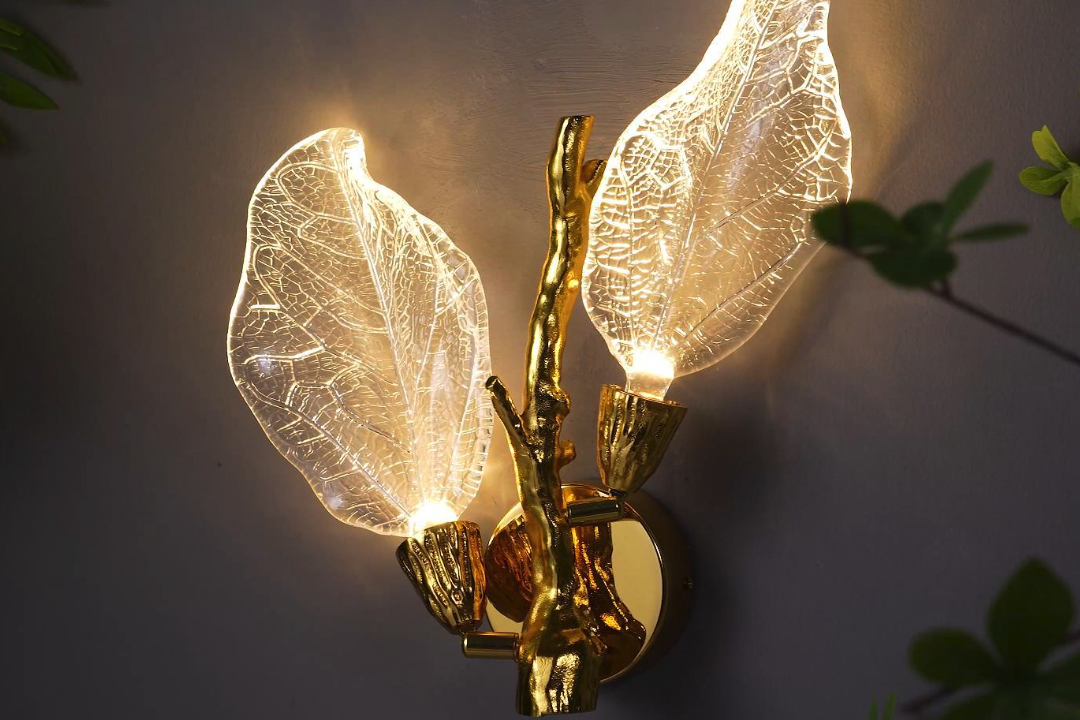
So, you’re looking for a wall lamp that adds a touch of modern elegance without being over the top? You’ve likely stumbled upon the “Chic Frosted Acrylic Leaf Wall Lamp” and are wondering if it’s actually worth considering. The short answer is yes, if you’re aiming for a subtle yet stylish accent that provides diffused, ambient light. It’s not a statement piece that screams for attention, but rather a sophisticated addition that enhances a room’s mood.
Understanding the “Chic Frosted Acrylic Leaf Wall Lamp”
Let’s break down what this kind of lamp Makalco typically offers. The name itself gives us a good starting point. “Chic” suggests a sense of style and sophistication. “Frosted Acrylic” points to the material used, which is key to its lighting effect. And “Leaf” hints at the design inspiration.
What “Chic” Really Means Here
In the context of home decor, “chic” often translates to clean lines, understated elegance, and a modern aesthetic. It’s about looking put-together and having a sense of refined taste. A chic lamp won’t likely have fussy ornamentation or bright, loud colors. Instead, it focuses on form and material.
The “Chic Frosted Acrylic Leaf Wall Lamp” aims to achieve this through its minimalist design and the quality of light it produces. It’s the kind of item that complements existing decor rather than dominating it.
The Role of Frosted Acrylic
Acrylic is a common material in modern lighting because it’s lightweight, durable, and can be molded into various shapes. In this case, the “frosted” aspect is crucial. Frosted acrylic diffuses light, meaning it softens and spreads the light source evenly.
This is a big deal for creating atmosphere. Instead of a harsh, direct glare from a bare bulb, frosted acrylic casts a gentle, even glow. This makes it ideal for creating a relaxing ambiance in living rooms, bedrooms, or hallways.
Design Elements and Variations
While the name suggests a consistent product, there can be variations in the “Chic Frosted Acrylic Leaf Wall Lamp” across different manufacturers and retailers. Understanding these potential differences will help you make an informed choice.
Leaf Motifs: Beyond the Obvious
The “leaf” part of the name can be interpreted in a few ways. It might mean the lamp is shaped like a single, stylized leaf, or it could refer to a cluster of leaf-like shapes that make up the lamp’s shade. Some might even have subtle etched leaf patterns on the acrylic.
- Single Leaf Form: These lamps might mimic the silhouette of a broad leaf, sometimes with a delicate vein texture incorporated into the acrylic. The light would then emanate from behind or within this leaf structure.
- Cluster Designs: Other models might feature multiple smaller, elongated acrylic pieces arranged to resemble a cascade of leaves or a botanical spray. The arrangement here can significantly impact the overall visual effect.
- Subtle Engravings: For those who prefer even more subtlety, some lamps might have a plain acrylic shade with a very finely etched leaf pattern, visible only when the light is on. This adds a layer of detail without being overtly thematic.
Acrylic Finish and Transparency
The “frosted” descriptor is key, but the degree of frosting can vary. Some acrylic might be more opaque, offering a very soft, diffused light, while others might have a lighter frost, allowing a bit more of the bulb’s shape or a hint of its warm color to show through.
- Opaque Frost: This offers the strongest diffusion, creating a very uniform light. It’s excellent for minimizing glare and providing a consistent, soft illumination.
- Semi-Frosted: This provides diffusion but might allow for a slightly more defined light source. It can offer a balance between softness and a subtle hint of the bulb’s presence, which some people prefer.
- Surface Textures: Beyond just frosting, some acrylic might have a matte finish that further reduces reflections and enhances the soft glow.
Color Temperature and Bulb Type
The material of the lamp affects how light is perceived, but the bulb itself plays an equally important role. Most chic wall lamps like this are designed for LED bulbs, which are energy-efficient and come in various color temperatures.
- Warm White (2700K-3000K): This is often the preferred choice for creating a cozy and inviting atmosphere. It has a yellowish hue, similar to incandescent bulbs. For a bedroom or living room, this is usually the way to go.
- Cool White (3500K-4100K): This provides a brighter, more neutral light that can be good for task lighting or areas where you need a bit more clarity, like a hallway. However, for a “chic” ambiance, warm white is typically more fitting.
- Dimmable Options: If the lamp is advertised as dimmable, this adds a significant layer of versatility, allowing you to adjust the intensity of the light to suit different moods and times of day.
Installation and Practical Considerations
A beautiful lamp is only useful if it can be installed and used without hassle. Here’s what you’ll want to think about when it comes to putting this type of lamp in place.
Hardwiring vs. Plug-In
This is a crucial distinction for any wall lamp.
- Hardwired: This means the lamp connects directly to your home’s electrical wiring. It offers a very clean look, as there are no visible cords. However, it typically requires professional installation or someone comfortable with electrical work. You’ll need to have an existing junction box in the wall where you want to install it.
- Plug-In: This type of lamp has a cord with a plug that simply goes into a standard wall outlet. This makes installation much easier and more accessible for DIYers. You can also move plug-in lamps more readily. The trade-off is the visible cord, though many designs incorporate ways to manage or conceal this.
Mounting Hardware and Ease of Installation
Regardless of hardwiring or plug-in, the lamp will need to be securely mounted to the wall.
- Included Components: Most lamps will come with the necessary mounting bracket and screws. Check the product description to ensure everything is included.
- Wall Surface: Consider the type of wall you’re mounting to. Drywall requires anchors for secure fitting, while mounting to a stud offers the most stability.
- Pre-Drilled Holes: Some lamps might have pre-drilled holes in the mounting plate, making it straightforward to align with the junction box or bracket.
Maintenance and Cleaning
Acrylic is generally easy to maintain, but it’s good to know how to keep it looking its best.
- Dusting: Regular dusting with a soft, dry microfiber cloth is usually sufficient. Avoid any harsh chemicals or abrasive materials that could scratch the acrylic.
- Cleaning Smudges: For fingerprints or smudges, a slightly damp cloth with plain water or a mild, non-ammonia-based cleaner (like a diluted dish soap solution) can be used. Immediately follow up with a dry cloth to prevent water spots.
- Scratch Resistance: While acrylic is somewhat scratch-resistant, it’s not immune. Be mindful of what you’re leaning against it or if you’re using any cleaning tools that could mar the surface.
Placement and Ambiance Creation
Where you put this lamp will greatly influence its impact on your room. It’s not the kind of light you’d use for reading a book directly under it, but rather for setting a mood.
Accent Lighting in Living Areas
This lamp excels as an accent light. It can draw attention to a particular architectural feature, a piece of art, or simply add a warm glow to a corner.
- Beside a Sofa: Placing one on either side of a sofa can create a welcoming, symmetrical look and provide soft ambient light for casual conversation.
- Above a Console Table: A wall lamp positioned above a console table in an entryway or hallway can provide a warm welcome and guide guests.
- Highlighting Artwork: If you have a favorite print or photograph, a strategically placed leaf lamp can cast a subtle glow that enhances its presence without the harshness of direct spotlights.
Creating a Relaxing Bedroom Environment
In a bedroom, the diffused light from a frosted acrylic lamp is perfect for creating a tranquil escape.
- Bedside Illumination: Instead of bulky table lamps, sleek wall-mounted leaf lamps can offer gentle light for reading or nighttime navigation without taking up valuable bedside table space.
- Over a Dresser: A single lamp above a dresser can add a touch of elegance and provide a soft light for getting ready in the morning or evening.
- Hallway to the Bedroom: If your bedroom has an adjoining hallway, a lamp here can create a visually pleasing transition and ensure safe passage.
Adding Warmth to Hallways and Entryways
These lamps can transform overlooked spaces into inviting areas.
- Guiding Light: Ensure that hallways aren’t too dark by placing lamps at intervals. The leaf design can add a decorative element to what might otherwise be a utilitarian space.
- Entryway Welcome: A lamp near the front door can make guests feel more welcome and provide a pleasant visual cue upon entering the home.
Comparing with Other Wall Lamp Options
To truly appreciate the “Chic Frosted Acrylic Leaf Wall Lamp,” it’s helpful to see how it stacks up against other popular choices. This isn’t about declaring one “best,” but understanding where its strengths lie.
Contrast with Metal and Glass Accents
Many modern wall lamps feature metal components (like brushed nickel or matte black) and glass shades.
- Metal and Glass: These often provide a more industrial or minimalist look. Glass shades, especially clear ones, can offer brighter, more direct light. Frosted acrylic offers a softer, more diffused light.
- Durability and Weight: Acrylic is generally lighter and less prone to shattering than glass, which can be an advantage for wall mounting. Metal finishes can sometimes show fingerprints more readily than the matte surface of acrylic.
Modern vs. Traditional Styles
The leaf design places this lamp firmly in the modern or contemporary category. Traditional wall lamps might feature more detailed carvings, fabric shades, or antique finishes.
- Traditional Lamps: These tend to be more ornate and might use warmer, more saturated colors. They fit well in homes with classic or farmhouse decor.
- Chic Frosted Acrylic: This lamp is about clean lines and a current aesthetic. It works best in spaces that embrace modern, minimalist, or transitional decor styles.
Material Differences: Plastic vs. Other Synthetics
Acrylic itself is a type of plastic, but it’s often considered a higher-end material than some other common plastics used in lighting.
- Basic Plastic: Cheaper plastics might look less refined, yellow over time, or have a less pleasing texture.
- Acrylic Quality: Good quality acrylic has a certain clarity and weight that makes it feel more substantial. The frosting process also contributes to its attractive diffusion.
Potential Challenges and What to Look For
No product is perfect, and it’s wise to be aware of potential drawbacks or things to watch out for when purchasing a “Chic Frosted Acrylic Leaf Wall Lamp.”
Scratching and Wear Over Time
As mentioned earlier, acrylic can be scratched. This is a more significant concern if the lamp is in a high-traffic area or if pets or children might interact with it.
- Gentle Handling: Always advise against leaning on the lamp or placing items against it that could cause abrasion.
- Quality of Acrylic: Higher-quality acrylics are often more scratch-resistant. Reviews or brand reputation can sometimes offer clues to this.
Light Output Limitations
Because the acrylic diffuses light, these lamps are generally not designed for rooms where bright, direct task lighting is essential.
- Strategic Supplementation: If you need brighter light for a specific task (like reading), you’ll likely need to supplement this lamp with other, more focused light sources.
- Wattage Recommendations: Pay attention to the maximum wattage or lumen output recommended for the bulb. Using a bulb that’s too powerful could damage the acrylic or the fixture.
Aesthetic Subjectivity
The “leaf” design, while intended to be chic, is still a thematic element. Not everyone will find it appealing.
- Personal Style: It’s crucial to consider if the leaf motif aligns with your overall interior design vision. If you prefer something entirely abstract or geometric, this might not be the right fit.
- Subtlety is Key: For many, the appeal lies in the subtlety of the leaf design. If the design feels too literal or pronounced, it might detract from the intended chic effect.
By considering these points, you can determine if the “Chic Frosted Acrylic Leaf Wall Lamp” is a practical and stylish addition to your home, offering a soft, elegant glow that enhances your chosen space.