


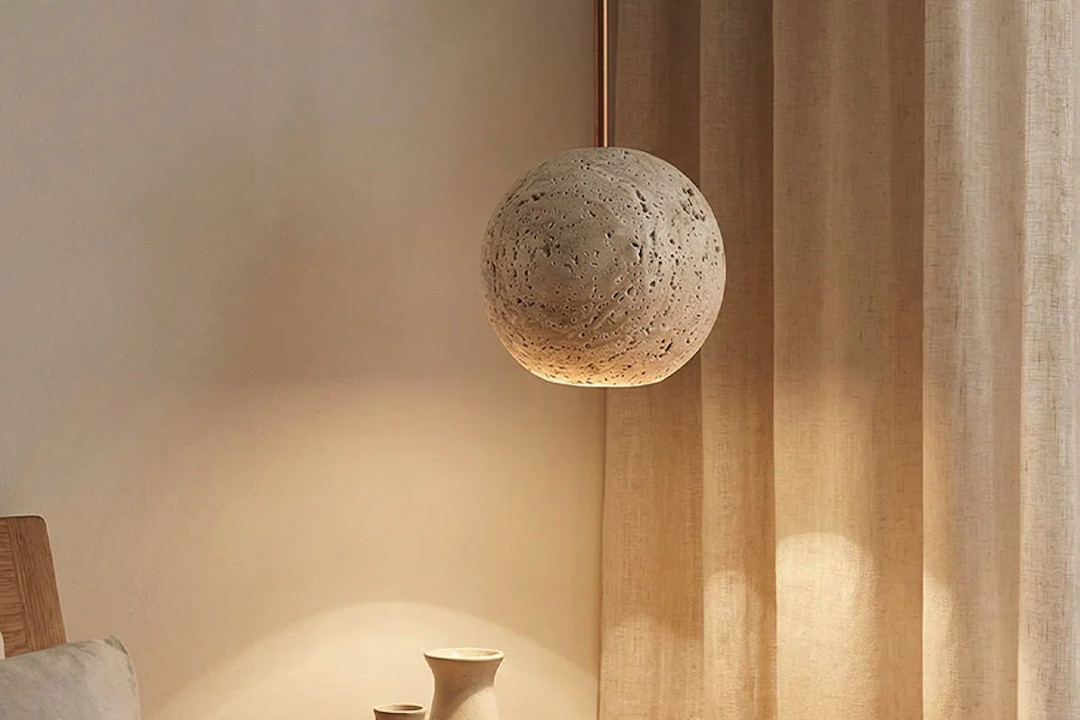
Wabi-sabi ceramic pendant lighting isn’t about perfectly symmetrical, mass-produced fixtures. It’s about celebrating the beauty in natural textures, irregularities, and the passage of time. If you’re looking for lighting that feels authentic, soulful, and brings a unique, calming presence to your space, this often means opting for pieces that embrace the “imperfection is beauty” ethos of wabi-sabi. Think handcrafted ceramic shades with subtle variations in glaze, organic forms, and a muted, earthy color palette. It’s less about the pristine and more about the presence of a story in every curve and crack.
Wabi-sabi, at its core, is a Japanese aesthetic and worldview rooted in the acceptance of transience and imperfection. It’s a philosophy that finds beauty in the natural processes of aging, weathering, and asymmetry. When we talk about wabi-sabi in design, especially with something like ceramic lighting, we’re talking about consciously choosing elements that reflect this outlook.
The Principles Guiding Wabi-sabi Aesthetics
Several key principles guide wabi-sabi, and understanding them helps in appreciating its application to ceramic pendant lighting Mosundesign. It’s not just about things looking old; it’s about a deeper connection to nature and authenticity.
Asymmetry and Irregularity
Forget perfect circles or factory-stamped uniformity. Wabi-sabi embraces the unique, the slightly off-kilter, the handmade mark. A ceramic pendant might have a subtly uneven rim, a glaze that pools heavier in one spot, or a surface with a deliberately tactile, almost textured feel. These aren’t flaws; they are character.
Simplicity and Authenticity
Wabi-sabi avoids ostentation and unnecessary adornment. It focuses on the essence of the material and form. This means ceramic pendants often feature natural, unglazed or minimally glazed finishes, allowing the raw beauty of the clay to shine through. The shapes are usually organic and understated, serving their purpose without pretense.
Natural Materials and Textures
Ceramics, especially unglazed or matte finishes, fit perfectly into the wabi-sabi aesthetic due to their inherent connection to the earth. The feel of natural clay, the slight grit, the subtle variations in hue—these elements contribute to a sense of grounding and authenticity. The goal is to highlight, not hide, the natural qualities.
The Beauty of Age and Imperfection
This is perhaps the most defining characteristic. A slight crack, a faded glaze, a worn edge—these are not defects but markers of time and experience. While new wabi-sabi pieces often mimic this aged look, the true spirit is in appreciating how objects evolve and gather stories over years of use. For ceramic lighting, this might mean a deliberately rustic finish or a glaze designed to subtly “crack” (crazing) over time, adding to its character.
The Allure of Ceramic for Pendant Lighting
Ceramic, as a material, offers a unique set of properties that makes it ideal for capturing the wabi-sabi spirit in lighting. It’s tactile, versatile, and inherently earthy, creating a warm and inviting glow.
Material Properties that Align with Wabi-sabi
Unlike metal or plastic, ceramic brings a natural, almost primal feel. Its origins from clay, shaped by hand and fired by heat, connect it directly to elemental forces.
Earthen and Organic Feel
There’s an undeniable connection to the earth with ceramic. The weight, the texture, the natural variations in color—all contribute to an organic feel that grounds a space. This contrasts sharply with the often cold, industrial feel of modern materials.
Thermal Qualities
Ceramic diffuses light differently than other materials. Its opacity means light isn’t merely reflected but often softened and dispersed, creating a gentle, ambient glow. The material itself can absorb and radiate a subtle warmth, contributing to the cozy atmosphere.
Handcrafted Versatility
Each ceramic piece, particularly handmade ones, carries the unique touch of the artisan. This isn’t just about variations; it’s about the subtle energy imbued during the shaping and firing process. This human touch inherently creates imperfections and variations, which is exactly what wabi-sabi celebrates. From stoneware to porcelain, the possibilities for texture and finish are vast.
Designing with Wabi-sabi Ceramic Pendants
Integrating wabi-sabi ceramic pendant lighting into your home isn’t just about hanging a fixture; it’s about curating a mood and enhancing the overall aesthetic of a room. It requires thoughtful consideration of placement, other materials, and the feeling you want to evoke.
Placement and Functionality
Consider where these unique pendants will make the most impact. Their often subdued light means they aren’t always ideal for task lighting, but excel in creating atmosphere.
Over Kitchen Islands and Dining Tables
Here, a cluster of irregular, hand-formed ceramic pendants can become a focal point, drawing the eye and grounding the space. The soft light created by ceramic shades encourages lingering and conversation, perfect for dining. They add warmth and a handcrafted touch to what can sometimes be a very functional, stark area.
Bedside Lighting
Replacing traditional table lamps with small, subtly textured ceramic pendants hanging just above the nightstand frees up surface space and creates a cozy, intimate glow. The diffuse light is gentle, perfect for winding down.
Entryways and Hallways
A single, arresting wabi-sabi ceramic pendant in an entryway sets the tone for the entire home, signaling warmth and authenticity from the moment you step inside. In hallways, a series of similar, subtly varied pendants can create a rhythmic, natural pathway.
Ambient Lighting in Living Areas
While not primary light sources for broad illumination, small clusters or strategically placed individual pendants can contribute significantly to a layered lighting scheme in living rooms, adding pockets of warmth and visual interest.
Complementary Materials and Textures
To truly lean into the wabi-sabi aesthetic, pair your ceramic pendants with other natural, textured materials. This creates a cohesive and deeply comforting environment.
Unfinished Wood and Natural Fibers
Think raw or lightly stained wood tables, linen upholstery, woven rugs, and jute accents. These materials share the same honesty and earthy quality as ceramic. The slightly rough textures and visible grain patterns complement the imperfections of the ceramic.
Muted Color Palettes
Wabi-sabi interiors often feature a palette of muted, earthy tones—think shades of white, cream, soft grey, sage green, and taupe. These colors allow the textures and forms of the objects, including your ceramic pendants, to take prominence, rather than competing for attention.
Stone and Concrete Elements
Natural stone countertops, a concrete fireplace surround, or even simply decorative stone vessels can echo the grounded, tactile nature of ceramic, bringing a sense of permanence and connection to the landscape indoors.
The Art of Sourcing Wabi-sabi Pendants
Finding the right wabi-sabi ceramic pendant isn’t always about walking into a big box store. It often involves a more thoughtful search, focusing on craftsmanship and unique character.
Supporting Independent Artisans and Small Batch Makers
This is perhaps the most direct way to ensure you’re getting genuine wabi-sabi pieces. Independent artisans pour their individual touch into each item, resulting in the desired irregularities and unique stories.
The Value of Hand-thrown and Hand-finished Pieces
When a ceramist throws a piece on a wheel or hand-builds it, every subtle wobble, every finger mark, and every glaze application is unique. These aren’t flaws; they’re signatures of the human hand, directly embodying the wabi-sabi appreciation for imperfection and individuality. Mass-produced items, by their very nature, aim for uniformity, which detracts from this aesthetic.
Customization and Personal Connection
Working directly with an artisan often allows for some level of customization—perhaps a specific glaze finish, a slight adjustment in size, or even a unique form. This deepens the personal connection to the piece, making it truly yours. Knowing the story behind the maker and the process also adds to the object’s soul.
Ethical and Sustainable Practices
Many independent artisans also prioritize sustainable practices, sourcing local clays, using eco-friendly glazes, and minimizing waste. This aligns with the wabi-sabi respect for nature and mindful living.
What to Look for in a Wabi-sabi Fixture
When browsing for your perfect pendant, keep these characteristics in mind to ensure it truly embodies the wabi-sabi philosophy.
Glaze and Finish Variations
Look for glazes that are uneven, mottled, or have subtle textures. Matte, unglazed (bisque), or semi-matte finishes are often preferred over high-gloss, as they feel more natural and diffuse light more softly. Deliberate crazing (fine cracks in the glaze surface) can also be a desirable feature, adding to the aged aesthetic.
Organic Forms and Asymmetry
Steer clear of perfectly geometric or mass-produced shapes. Seek out forms that feel hand-molded, slightly irregular, or inspired by natural elements. A slight bend, a subtly uneven rim, or a deliberately non-symmetrical silhouette are all hallmarks.
Visible Evidence of Craftsmanship
You want to see the “maker’s mark”—subtle tool lines, finger impressions, the slight variations that show it was individually made. This isn’t about being sloppy; it’s about celebrating the process and the human element in creation. Each piece tells a quiet story of its making.
Embracing the Philosophy Beyond the Fixture
Incorporating wabi-sabi ceramic pendant lighting is more than just a decor choice; it’s an invitation to a different way of experiencing your home—one that values calm, authenticity, and the beauty of the everyday.
Cultivating a Sense of Calm and Reflection
The subdued light and natural beauty of these fixtures contribute significantly to a tranquil atmosphere. They don’t demand attention in a flashy way; instead, they offer a quiet presence that encourages contemplation.
Soft, Diffused Lighting
Ceramic shades, particularly those with a matte or unglazed finish, inherently soften and diffuse light. This gentle illumination avoids harsh shadows and bright spots, creating a calm, even glow that promotes relaxation. There’s a noticeable difference from the sharp, often cold light emitted by bare bulbs or highly reflective shades.
Promoting Mindfulness
A wabi-sabi space, with its emphasis on natural materials and imperfections, encourages a slower pace. The unique textures and forms of a ceramic pendant invite you to pause, observe, and appreciate the small details often overlooked in a fast-paced world. This subtle prompting toward mindfulness can have a real impact on daily well-being.
The Long-Term Appeal of Imperfection
Unlike trends that come and go, the wabi-sabi aesthetic has a timeless quality that grows with your home. It’s about building a space that feels lived-in and loved, rather than perpetually “new.”
Enduring Style Beyond Trends
Because wabi-sabi isn’t about fleeting fads, ceramic pendants chosen for their natural beauty and handmade quality will likely remain relevant and cherished for years. They adapt well to evolving tastes, acting as grounding elements in various design schemes, from minimalist to rustic. They don’t try to be “statement pieces” in the traditional sense, yet their authenticity makes them profoundly impactful.
Patina and Character Over Time
The beauty of wabi-sabi objects is that they aren’t meant to remain pristine. They are designed to age gracefully. A ceramic piece might develop a subtle patina, deepen in color, or even show minor wear and tear that only adds to its character. This acceptance of the passage of time encourages a more relaxed and authentic relationship with our belongings, moving away from the consumerist drive for endless newness. It teaches us to find richness in the story an object accumulates through its existence.