


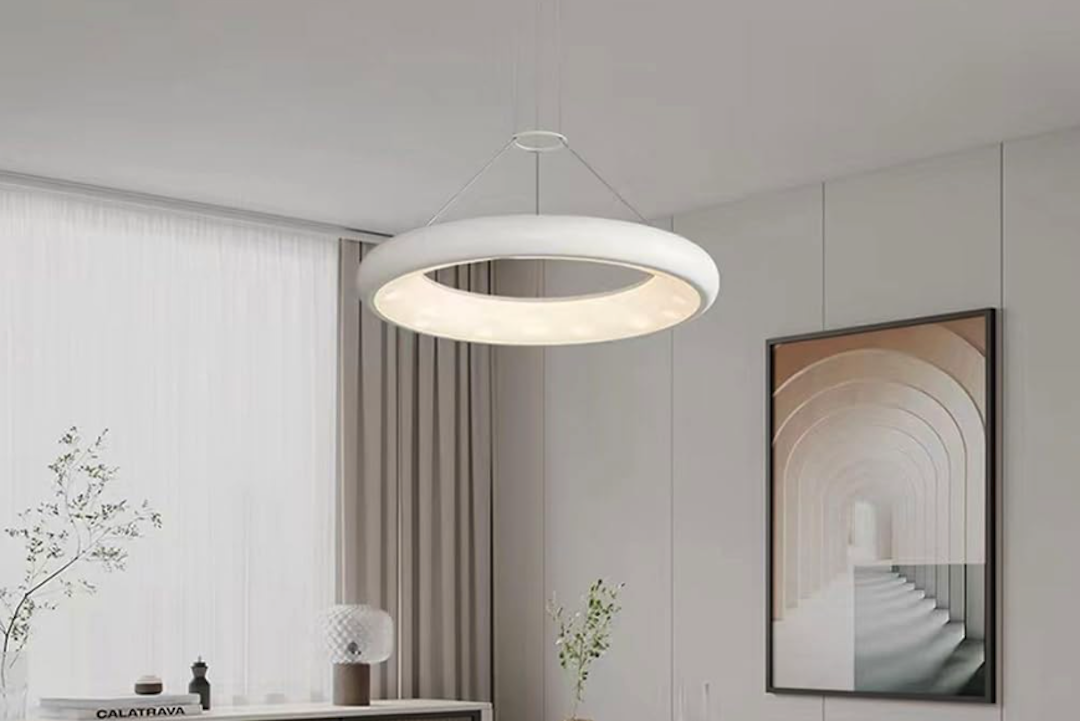
Got a high ceiling and wondering what kind of pendant light will actually look good and fill that vertical space without feeling sparse? You’re probably eyeing something like a minimalist halo ring pendant. And you’re onto something – these lights are pretty great for high ceilings, offering a modern, clean aesthetic that won’t get lost in all that room. Let’s break down why, and more importantly, how to pick the right one.
High ceilings present a unique lighting Fohof challenge. Too small a fixture, and it looks like it’s floating aimlessly. Too large and over-the-top, and it can overwhelm the space. This is where the minimalist halo ring pendant shines, quite literally.
Filling the Vertical Void
The inherent design of a halo ring pendant, with its circular or geometric shape, creates a visual anchor point in a large, open space. Its form, even when minimalist, has presence. Unlike a single, slender drop light that might disappear into the vastness, the ring occupies a more significant visual plane, drawing the eye and giving the ceiling a sense of purpose.
Scalability and Proportion
Halo rings come in a surprising range of sizes. This is crucial for high ceilings. You can find rings that are substantial enough to make a statement without being ostentatious. The key is understanding how the diameter of the ring and its thickness will interact with the ceiling height. A good rule of thumb is to consider the overall volume of the room.
Modern Aesthetic and Simplicity
The minimalist aspect is also a major advantage. High ceilings often exist in spaces that aim for a contemporary or modern feel. A halo ring, by its nature, strips away unnecessary ornamentation, focusing on form and light. This keeps the design clean and sophisticated, preventing it from looking cluttered or dated, which is important when you have a lot of vertical real estate to consider.
Choosing the Right Size and Scale
This is the make-or-break element for a halo ring pendant in a room with high ceilings. Get it wrong, and the effect is lost.
Diameter Matters Most
In terms of sheer visual impact and filling the vertical space, the diameter of the halo ring is paramount. Think of it as the “footprint” of your pendant.
- Rule of Thumb for Dining Tables: A common guideline is that the diameter of your pendant should be about half to two-thirds the width of your dining table. This applies even with high ceilings, but you’ll want to factor in the added height.
- Living Areas and Open Spaces: For general living areas or rooms without a specific central furniture piece, consider the room’s dimensions. A larger diameter halo can help define a specific zone within an open-plan layout.
- Visual Weight: Don’t just think about the number. A thick, substantial ring has more “visual weight” than a thin, delicate one, even if the diameter is the same. This visual weight needs to be balanced with the ceiling height.
Height of the Ring (Thickness)
While diameter is primary, the thickness or profile of the ring also plays a role, though often subtly.
- Slim Profiles: These tend to be more delicate and modern. They might require a larger diameter to compensate for their less imposing visual presence. They’re great if you want the light to feel airy.
- Thicker Profiles: These have a more substantial look and feel. They can provide more visual anchor, and if the ring is deep (front to back), it can feel more commanding. This can be a good option if you have very high ceilings or a large room.
Cord or Rod Length
This is where the “high ceiling” aspect really comes into play.
- The Drop Height: The total distance from the ceiling to the bottom of the pendant is critical. For high ceilings, you’ll need a longer cable or rod.
- Visual Balance: The pendant shouldn’t be so high that it looks like it’s forgotten. Typically, for dining areas, the bottom of the pendant should hang about 30-36 inches above the tabletop. In living areas or entryways with no specific furniture directly underneath, you might aim for the center of the pendant to be around 7-8 feet from the floor, but this can vary wildly depending on the overall ceiling height and room proportions.
- Adjustability is Key: Look for pendants with adjustable cords or rods. This allows you to fine-tune the exact hanging height once it’s installed, which is essential for achieving the perfect balance in a high-ceilinged space.
Material and Finish Considerations
Beyond size, the materials and finishes of your halo ring pendant will significantly impact its overall aesthetic and how it integrates with your decor.
Metal Finishes: From Classic to Contemporary
The metal finish is one of the most visible design elements and can dramatically alter the mood of the light.
- Brushed Nickel/Chrome: These cooler, silvery tones offer a clean, modern, and often more industrial look. They’re versatile and work well in contemporary kitchens, living rooms, or entryways.
- Matte Black: Incredibly popular for its sophisticated, grounding effect. Matte black halo rings provide a strong visual contrast and can make a statement without being flashy. They pair well with a wide range of decor styles, from modern minimalist to transitional.
- Brass (Polished or Antiqued): Polished brass can add a touch of glamour and warmth, while antiqued or brushed brass offers a more subdued, vintage-inspired feel. Brass works well in spaces aiming for a warmer, more opulent or eclectic vibe.
- Bronze/Aged Iron: These darker, warmer metal finishes lend themselves to a more traditional or rustic-inspired setting, but can also be surprisingly effective in a modern context for a grounding, earthy feel.
Acrylic or Integrated LED Elements
Some halo rings incorporate acrylic diffusers or have their LED strips integrated directly into the ring’s structure.
- Diffusers: If the ring has an acrylic diffuser, consider its opacity and color. Frosted diffusers offer a softer, more evenly distributed light, while clear acrylic might show the individual LED chips more prominently (though this is less common in truly minimalist designs).
- Integrated LEDs: Most modern halo rings feature integrated LED strips. This is a practical choice for their energy efficiency and longevity. The appearance of the LED itself (color temperature, how visible it is) is worth noting.
The “Naked” Ring vs. Diffused Light
A purist minimalist design might have an exposed LED strip, often a thin, continuous line. Other designs will have a housing or diffuser around the LED.
- Exposed LEDs: This can offer a very sleek, futuristic look. However, ensure the LEDs are not overly harsh or directly visible from typical viewing angles, which can cause glare.
- Diffused Design: A subtly diffused ring provides a softer, more ambient light. This is often the more practical choice for general lighting, especially in living areas where you want a comfortable glow.
Light Quality and Color Temperature
The type of light a pendant emits is as important as its looks, especially when it’s the primary light source in a grand space.
Brightness Levels (Lumens)
The sheer volume of your room means you’ll need a fixture that can provide adequate illumination.
- Lumens per Square Foot: A general guideline for living areas is around 20-30 lumens per square foot. For kitchens and task areas, it’s closer to 75-100 lumens per square foot.
- Calculating Needs: Measure your room and do a quick online search for “lumens per square foot calculator.” This will give you a ballpark figure, and you can then look at the lumen output (usually listed by the manufacturer) of your chosen pendant.
- Multiple Fixtures: For very large rooms with high ceilings, you might need more than one halo ring pendant to achieve sufficient overall brightness, or supplement with other lighting sources.
Color Temperature (Kelvin)
This determines whether the light feels warm and cozy or cool and crisp.
- Warm White (2700K-3000K): This is similar to traditional incandescent bulbs and creates a warm, inviting, and relaxing atmosphere. It’s excellent for living rooms, bedrooms, and dining areas where ambiance is key.
- Neutral White (3500K-4000K): This offers a balance between warm and cool. It’s a good all-around choice for general living spaces, kitchens, and hallways, providing clear, natural-looking light.
- Cool White (4000K-5000K+): This mimics daylight and appears brighter and crisper. It can be beneficial for task lighting or in areas where you need a more alert atmosphere, like a home office or workshop, but can feel too sterile for main living spaces.
Dimmability: The Ultimate Control
For a large space with high ceilings, dimmability is not just a feature; it’s almost a necessity.
- Mood Setting: The ability to dim your halo ring pendant allows you to adjust the light intensity to suit any occasion. Bright for entertaining or cleaning, dimmer for relaxing evenings.
- Energy Savings: Dimming also reduces energy consumption.
- Compatibility Check: Ensure the pendant is specified as dimmable and that you have a compatible dimmer switch installed. Sometimes specific dimmer types are recommended by the manufacturer.
Installation and Practicalities for High Ceilings
Hanging a light fixture in a high-ceilinged room comes with a few extra considerations that are worth thinking about before you buy.
Ceiling Box Strength and Support
This is non-negotiable. A substantial pendant needs a secure mounting point.
- Weight of the Fixture: Larger halo rings can be heavier than they look. Always check the product specifications for the fixture’s weight.
- Standard vs. Reinforced Boxes: Most standard ceiling electrical boxes are designed for lighter fixtures. For heavier pendants, you might need a reinforced junction box or a brace that attaches directly to ceiling joists.
- Professional Installation Recommended: Given the height, it’s often wise to hire an electrician to ensure the fixture is safely and securely installed, especially if you’re unsure about your DIY capabilities or the existing ceiling structure.
Reach and Access for Maintenance
Think about how you’ll clean the fixture or change a bulb (if it’s not integrated LED).
- Cleaning: Dust and grime can accumulate on large fixtures, especially those hanging high up. Consider how you’ll reach it for cleaning. A ladder and a long-handled duster or microfiber cloth will likely be necessary.
- Bulb Replacement (If Applicable): While most halo rings use integrated LEDs, some older or specific designs might use standard bulbs. If so, confirm the bulb type and how accessible it is. For very high ceilings, this can be a significant factor.
Electrical Connection and Wiring
While not unique to halo rings, the longer drop length means more wire to manage.
- Wire Length: Ensure the pendant comes with sufficient wire length to accommodate your desired drop height. If not, you may need to purchase extra wire of the appropriate gauge.
- Professional Splicing: If you need to extend the wiring, it’s best done by a qualified electrician to ensure safe and code-compliant connections.
Where to Place Your Halo Ring Pendant
The location is as crucial as the size and style for maximizing its impact in a high-ceilinged space.
Above a Focal Point
The most common and effective placement is directly above a central feature, drawing attention and defining the space.
- Dining Tables: As mentioned, this is a classic. The halo ring creates a defined dining area and acts as a beautiful centerpiece.
- Living Room Seating Areas: Positioned above a coffee table or the center of a sectional sofa, a halo ring can anchor the living space and prevent it from feeling too spread out.
- Entryways and Foyers: A large, dramatic halo ring in a grand entryway can make a stunning first impression. It guides visitors into the home and adds a touch of luxury.
Defining Zones in Open-Plan Living
In homes with open-concept layouts and high ceilings, a pendant can be a powerful tool for delineating different functional areas.
- Kitchen Islands: A generously sized halo ring above a large kitchen island can not only provide task lighting but also visually separate the cooking area from the dining or living space.
- Seating Nooks: Even in a larger room, a well-placed halo can define a smaller reading nook or a conversation area.
Considerations for Multiple Fixtures
For extremely large spaces or very elaborate interiors, one might consider using multiple halo rings.
- Symmetrical Arrangements: Two or three identical halo rings can be hung in a straight line over a long dining table or kitchen island for a striking, symmetrical look.
- Modular or Varied Sizes: Some designers opt for two different sized halo rings, or rings of the same size but different finishes, hung at slightly staggered heights for a more dynamic, artistic display. This requires careful planning to avoid a cluttered look.