


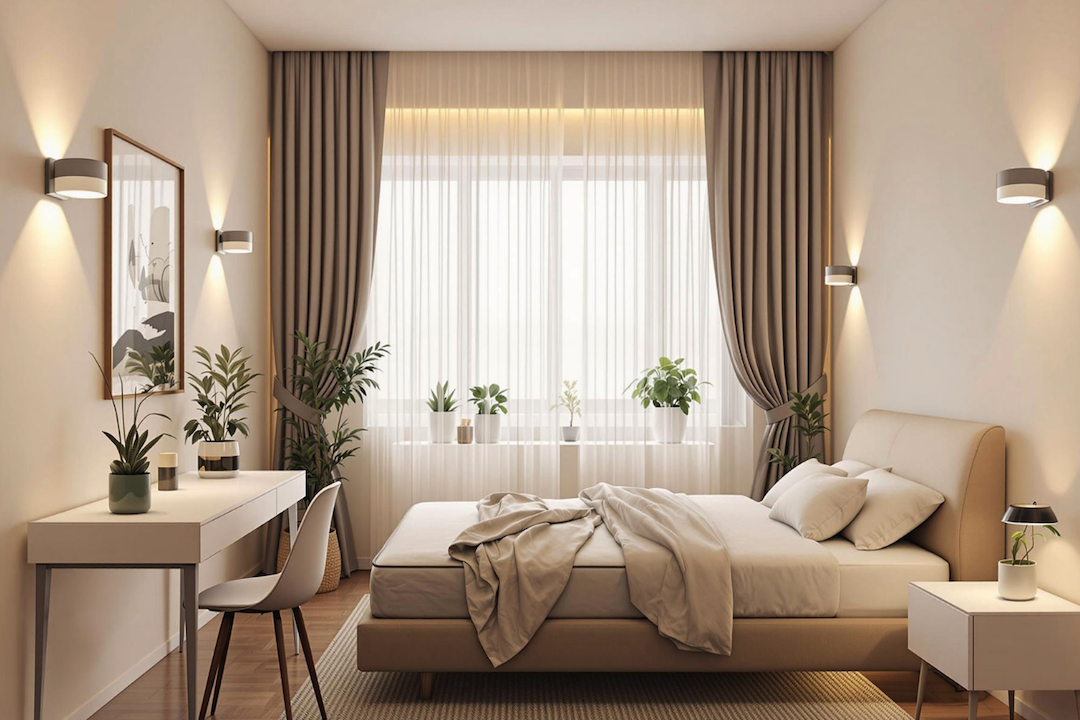
The strategic incorporation of simple wall light fixtures can contribute to an effortless bedroom ambiance. These fixtures, often overlooked, serve as foundational elements in shaping the visual and functional experience of a bedroom. They are not mere sources of illumination but tools that assist in crafting a particular mood, enhancing usability, and complementing the overall interior design. The selection and placement of these lights are key to achieving a harmonious and inviting atmosphere that prioritizes comfort and relaxation.
This article explores the role of simple wall light Lampforlife fixtures in creating a desirable bedroom ambiance. It will delve into the considerations for choosing appropriate fixtures, the impact of their styling, the practical advantages they offer, and how their placement can transform the space. By understanding these aspects, you can effectively leverage simple wall lights to cultivate a bedroom environment that feels both refined and deeply personal.
Wall light fixtures in a bedroom are more than just functional illumination; they are quiet architects of atmosphere. Much like a painter uses subtle gradations of color to evoke emotion, the light cast by wall fixtures can shift the perception of a room, from a purely utilitarian space to one of sanctuary and repose. Their proximity to the wall allows for directed or diffused light, influencing how textures, colors, and architectural features are perceived.
The Psychological Impact of Lighting
The quality and intensity of light have a direct impact on human psychology and mood. Warm, lower-intensity lighting, often achievable with simple wall fixtures, is associated with relaxation and a sense of well-being. This contrasts with the harsher, overhead lighting that can sometimes feel sterile or overly functional. By carefully selecting wall lights, you can create pockets of soft illumination that encourage a sense of calm.
Warm vs. Cool Lighting Tones
The color temperature of a light bulb, measured in Kelvin (K), plays a significant role. Lower Kelvin ratings (around 2000K to 3000K) produce warm, yellow-toned light, reminiscent of candlelight or sunset. This is generally preferred for bedrooms as it promotes relaxation. Higher Kelvin ratings (above 4000K) produce cooler, bluer-toned light, which can be more energizing and is typically better suited for task-oriented areas. For ambiance, a warm tone is usually the aim.
The Effect of Light Intensity and Dimming Capabilities
The brightness of a light fixture, measured in lumens, is another crucial factor. Overly bright lights can be jarring, disrupting the intended relaxed atmosphere. Simple wall lights often provide a more subdued output, which can be further controlled with dimmers. Dimmer switches act as a volume control for light, allowing you to tailor the illumination level to the specific moment, whether it’s reading in bed or winding down before sleep.
Wall Lights as Design Elements
Beyond their illuminative function, wall lights are integral to the visual narrative of a bedroom. A well-chosen fixture can act as a sculptural element, adding character and style without occupying valuable floor space. They can be selected to align with a specific design aesthetic or to introduce a subtle point of visual interest.
Complementing Interior Design Styles
The form and material of a wall light fixture should harmonize with the overall interior design of the bedroom. A minimalist fixture with clean lines can complement a modern or Scandinavian aesthetic, while a more ornate sconce might suit a traditional or classic decor. The key is consistency; the fixture should feel like a natural extension of the room’s design language.
Adding Texture and Dimension to Walls
Light can be used to sculpt the appearance of a wall. Uplighting from a wall fixture can emphasize architectural details or the texture of wallpaper or paint. Downlighting can create intriguing shadow patterns. This interplay of light and shadow adds depth and dimension to otherwise flat surfaces, making the room feel more engaging.
Types of Simple Wall Light Fixtures for Bedrooms
The spectrum of simple wall light fixtures is broad, yet certain types lend themselves particularly well to creating a bedroom ambiance. These fixtures often prioritize understated design and functional flexibility.
Sconces: Versatile and Stylish
Wall sconces are a classic choice for bedrooms, offering both ambient and task lighting depending on their design and placement. They mount directly to the wall, freeing up bedside tables.
Direct vs. Indirect Lighting Sconces
- Direct Lighting Sconces: These direct light downwards or outwards from the fixture. They are good for reading or illuminating a specific area. An adjustable arm or shade can enhance their task-oriented functionality.
- Indirect Lighting Sconces: These fixtures cast light upwards or against the wall, allowing the light to diffuse and bounce around the room. This creates a softer, more ambient glow. Many sconces incorporate frosted glass or fabric shades to further soften the light.
Swing-Arm and Articulating Sconces
For enhanced flexibility, swing-arm or articulating sconces are excellent. Their movable arms allow you to direct light precisely where it’s needed, whether for reading in bed or illuminating a piece of art. When not in use, they can be folded neatly against the wall, maintaining a clean profile.
Picture Lights and Accent Lights
While often designed for artwork, small picture lights or accent lights can serve a dual purpose in a bedroom, providing targeted illumination and adding a decorative touch.
Focused Illumination for Task Areas
A small, discreet light fixture mounted above a bedside table or a reading chair can provide focused light for activities like reading without overwhelming the rest of the room.
Highlighting Decorative Elements
These fixtures can also be used to draw attention to decorative elements such as framed photographs, small sculptures, or textured wall hangings, adding layers of visual interest to the bedroom.
Integrated LED Strip Lights
Modern and minimalist, integrated LED strip lights offer a sleek way to introduce subtle illumination. They can be hidden along the headboard, behind a valance, or along the base of the wall.
Creating a Soft, Halo Effect
When concealed and directed to wash light upwards or downwards, LED strips can create a gentle, diffused glow that bathes the wall and ceiling in light, producing a sophisticated halo effect.
Space-Saving and Modern Aesthetic
Their slim profile makes them ideal for smaller bedrooms or for those seeking a contemporary look. They are unobtrusive and contribute to a clutter-free environment.
Practical Considerations for Choosing Bedroom Wall Lights
Selecting the right wall lights involves more than just a visual preference; it requires a practical assessment of the bedroom’s layout, purpose, and individual needs.
Placement Strategies for Optimal Ambiance
The location of wall lights significantly influences how light is distributed and how the room feels. Thoughtful placement can enhance both aesthetics and functionality.
Beside the Bed: The Primary Illumination Zone
The area beside the bed is typically the most critical for lighting in a bedroom. Wall lights here serve as primary reading lights and sources of general evening illumination.
- Height Considerations: Mount sconces at a height that allows the light to fall comfortably over the bed for reading, typically around shoulder height when seated in bed. Ensure the light source itself is not directly in the line of sight when lying down.
- Spacing: If you have two bedside tables, ensure symmetrical placement of lights for visual balance.
Accent Lighting Throughout the Room
Beyond the bedside, wall lights can be strategically placed to enhance other zones or features within the bedroom.
- Illuminating Walkways: A small sconce near a doorway can provide gentle guidance without being overpowering.
- Highlighting Artwork or Decor: As mentioned, picture lights are ideal for this, but broader accent lights can also be used to draw attention to a specific wall feature.
Power Source and Installation
The practicalities of how the lights are powered and installed are crucial for a clean and effective finish.
Hardwiring vs. Plug-In Options
- Hardwired Fixtures: These are wired directly into the home’s electrical system. This often results in a cleaner, more integrated look as the wires are concealed within the wall. Professional installation is usually required.
- Plug-In Fixtures: These connect to a standard electrical outlet. They offer greater flexibility in placement and are generally easier to install without professional help. However, the power cord may be visible, which can detract from a minimalist aesthetic if not managed carefully.
Considering Light Bulb Type and Longevity
The choice of light bulbs impacts energy consumption, maintenance, and the quality of light.
- LED Bulbs: Increasingly, LED bulbs are the preferred choice due to their energy efficiency, long lifespan, and reduced heat output. They are available in a wide range of color temperatures and brightness levels.
- Incandescent and Halogen Bulbs: While they offer good color rendering, they are less energy-efficient and generate more heat, which can be a consideration in a bedroom.
Integrating with Existing Decor
The wall light fixtures should not feel like an afterthought but an organic part of the bedroom’s established design.
Matching Finishes and Materials
Pay attention to the finishes (e.g., brushed nickel, matte black, brass) and materials (e.g., metal, glass, fabric) of the fixtures and how they relate to other elements in the room, such as hardware, furniture accents, or window treatments.
Scale and Proportion
The size of the wall light fixture should be appropriate for the scale of the wall and the room. An oversized fixture can overwhelm a small bedroom, while a tiny fixture might get lost on a large wall.
Enhancing Ambiance with Light Quality and Direction
The true magic of wall lights lies in their ability to shape the atmosphere through the quality and direction of the light they emit. This is where the transformation from mere illumination to ambiance truly occurs.
The Art of Diffused Light
Soft, diffused light is a cornerstone of a relaxing bedroom environment. It eliminates harsh shadows and creates a gentle, inviting glow.
Using Shades and Diffusers
- Fabric Shades: These soften and scatter light, creating a warm and cozy feel. They are common in traditional and transitional bedroom styles.
- Frosted or Opal Glass: These materials effectively diffuse light, preventing glare and creating a uniform, pleasant illumination.
- Uplighting Wash: Fixtures designed to cast light upwards onto the ceiling allow the light to spread evenly and gently throughout the room, minimizing direct light sources.
Indirect Light as a Core Ambiance Tool
Indirect lighting, where the light source is not directly visible and instead bounces off surfaces, is exceptionally effective for ambiance.
- As mentioned, uplighting sconces are a prime example. The light washes the ceiling, and this softened light then descends into the room.
- Some fixtures are designed with metal cones or shades that direct light upwards and downwards, creating a beautiful interplay of light and shadow on the wall itself.
Directed Light for Coziness and Task Functionality
While diffused light is key for general ambiance, strategically placed directed light adds layers of comfort and practicality.
The Cozy Glow of Bedside Reading
A focused beam of light from an adjustable sconce is perfect for reading. The ability to direct this light precisely onto the pages of a book, without disturbing a partner, adds significantly to the comfort and usability of the bedroom.
Creating Intimate Zones
Even with general ambient lighting, a directed light can create a small, intimate zone for a specific activity, such as enjoying a cup of tea or reviewing a document at a small desk.
The Impact of Multiple Light Sources
A single light source can rarely create a nuanced ambiance. The effective use of multiple, layered light sources, including wall lights, is essential for a dynamic and inviting bedroom.
Layering Light for Depth
Think of layering light like adding different instruments to an orchestra. Ambient lighting (provided by sconces or ceiling fixtures) sets the base tone. Task lighting (like reading sconces) provides functionality for specific actions. Accent lighting (like small spotlights) highlights decorative features.
Balancing Light and Shadow
The interplay of light and shadow is crucial for creating visual interest and a sense of depth. Wall lights can be used to strategically cast shadows, highlighting textures or architectural details, or to create soft gradations that add to the room’s cozy feel. Avoid flat, shadowless illumination, which can feel sterile.
Achieving an Effortless Bedroom Aura with Simple Wall Lights
The concept of “effortless” in decor implies a sense of natural harmony and understated elegance. Simple wall light fixtures, when chosen and implemented wisely, contribute significantly to this feeling by providing illumination that feels integrated and unobtrusive.
Minimalism and Clarity in Design
Simple, uncluttered designs in wall fixtures align with a minimalist aesthetic that promotes a sense of calm and order.
Unadorned Forms and Neutral Palettes
Fixtures with clean lines, geometric shapes, and finishes like matte black, brushed nickel, or off-white avoid drawing undue attention. They blend into the background, allowing the overall decor to shine.
Functionality Over Ornamentation
The emphasis is on the light itself and its effect, rather than on excessive decorative elements. This focus on function contributes to the perceived effortlessness of the space.
The Power of Subtlety
The most effective ambiance is often created through subtle cues rather than bold statements. Simple wall lights excel in this regard.
Gentle Illumination, Not Ovverpowering Light
The light output is typically softer and more controlled than that of a central ceiling fixture. This gentleness contributes to a more relaxed and inviting atmosphere.
Seamless Integration
When placed and powered correctly, wall lights can appear to be an intrinsic part of the room’s architecture, almost as if they grew there. This seamless integration contributes to the feeling that the ambiance was not achieved through conscious effort, but rather emerged organically.
Enhancing Perceived Space and Openness
The right wall lighting can subtly influence how large or small a room feels.
Drawing the Eye Upwards or Outwards
Sconces that cast light upwards can make the ceiling appear higher, creating a sense of spaciousness. Their wall-mounted nature also frees up floor and surface space, which can make a room feel larger and less cluttered.
Strategic Illumination of Corners
Well-placed wall lights can illuminate the periphery of the room, reducing the appearance of dark, heavy corners and making the entire space feel more open and airy.
By considering these aspects—from the psychological impact of light to the practicalities of installation and the subtle art of design—you can harness the power of simple wall light fixtures to cultivate an effortless bedroom ambiance that prioritizes comfort, relaxation, and understated elegance. They are the quiet conductors of your personal sanctuary, orchestrating a symphony of light and shadow that transforms a functional space into a haven.