


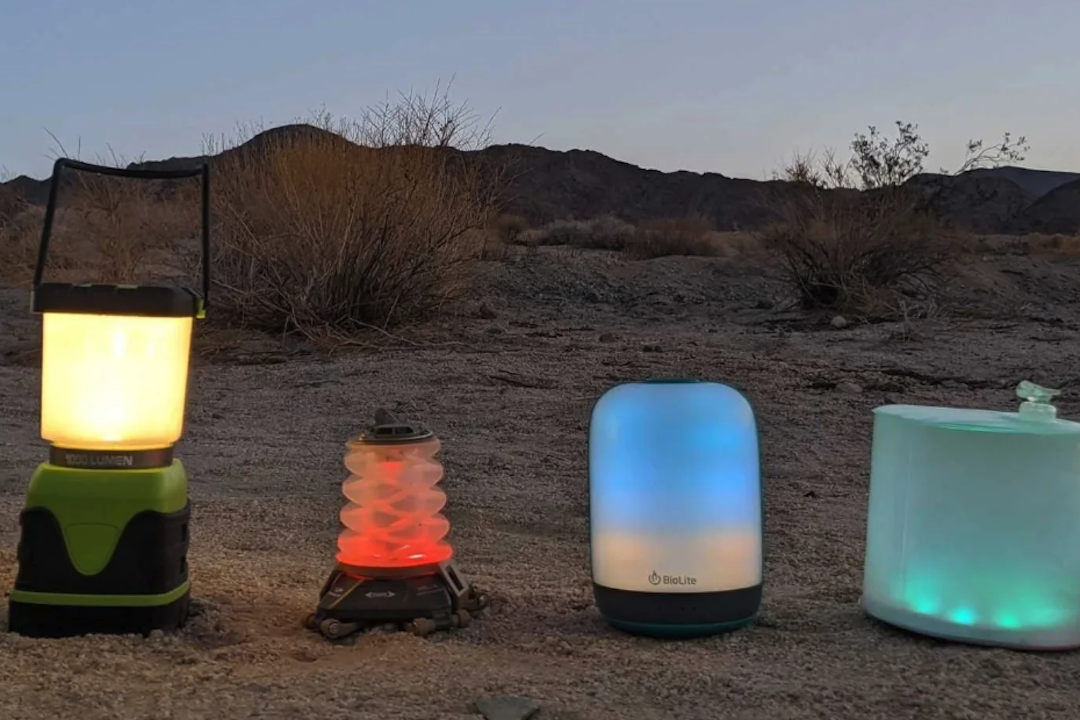
Choosing the right camping lantern color temperature really boils down to what you’re doing and how you want to feel in the great outdoors. Generally speaking, warmer light (lower Kelvin numbers) is better for relaxation and atmosphere, while cooler light (higher Kelvin numbers) is more practical for tasks and visibility. It’s not a one-size-fits-all, and understanding the nuances can significantly improve your camping experience, from setting up camp in the dark to enjoying a quiet evening by the tent.
Understanding Color Temperature and Lumens
Before diving into specifics, let’s get on the same page about what we’re actually talking about. When we discuss color temperature in the context of lanterns, we’re referring to the warmth or coolness of the light emitted. This is measured in Kelvin (K). It’s a bit counterintuitive because lower Kelvin numbers mean warmer, more yellow or orange light Naloom, while higher Kelvin numbers mean cooler, more blue-white light. Think of a candlelight at around 1800K being very warm, and a bright, overcast sky at 6500K being very cool.
Lumens, on the other hand, measure the total amount of visible light from a source. It’s simply how bright the light is, regardless of its color. A lantern could be 100 lumens of warm light or 100 lumens of cool light; it’s the same brightness, just a different feel. While brightness is important for practical reasons, color temperature dictates the mood and usability in different scenarios.
The Kelvin Scale Explained
The Kelvin scale for light is pretty straightforward once you get the hang of it. Here’s a quick breakdown of common ranges you’ll encounter with camping lanterns:
- Below 2700K (Warm White/Extra Warm White): This is very warm, often with a noticeable orange or yellow tint, similar to a traditional incandescent bulb or candlelight. It’s cozy and promotes relaxation.
- 2700K – 3000K (Soft White): Still very warm, but less intensely yellow than below 2700K. This range is common for home lighting where comfort is key.
- 3000K – 3500K (Warm White): A good balance, offering a warm glow without being overly yellow. It’s inviting and comfortable for general use.
- 3500K – 4100K (Neutral White/Cool White): This range starts to feel more neutral, moving away from yellow and towards a cleaner white. It’s good for general tasks without being harsh.
- 4100K – 5000K (Cool White/Daylight): Getting noticeably cooler, with a clear white light that can have a very subtle blue tint. This is excellent for task lighting where accuracy is needed.
- 5000K – 6500K+ (Daylight/Cool Daylight): This is bright, crisp white light, often with a distinct blueish hue, mimicking natural daylight around noon. It’s great for high-visibility tasks but can feel harsh in a relaxed setting.
Why Lumens Aren’t the Only Story
It’s easy to get caught up in the “more lumens are better” mindset, but for camping, it’s not always true. A super bright 1000-lumen lantern might seem great for lighting up a huge area, but if you’re trying to read in your tent, it’s overkill and can be blinding. Similarly, if that 1000-lumen light is a harsh, cool white, it might disrupt your night vision and make the campsite feel clinical rather than cozy. The ideal lantern often has adjustable brightness and adjustable color temperature, allowing you to tailor the light to the moment.
Warm Light (Lower Kelvin): The Comfort Zone
Warm light, generally in the 2000K to 3000K range, is your go-to for creating a relaxing, inviting atmosphere. Think of a campfire or a cozy evening by the fireplace – that’s the vibe warm light brings to your campsite. It’s not just about aesthetics; there are practical benefits too.
Enhancing Relaxation and Ambiance
One of the biggest advantages of warm light is its ability to foster a sense of calm. After a long day of hiking or exploring, a warm glow around your tent or picnic area can be incredibly soothing. It softens shadows, making the environment feel less stark and more welcoming. This is particularly important for group camping where people are gathering and socializing. A harsh, bright white light can make conversation feel more formal and less relaxed. Warm light encourages lingering, storytelling, and just generally unwinding. It helps transform a functional campsite into a true retreat.
Minimizing Impact on Night Vision
Our eyes are more sensitive to blue light at night, and excessive exposure can disrupt our natural circadian rhythms. Warm light, with its reduced blue light component, is much kinder to your night vision. If you need to get up in the middle of the night for a quick trip to the bathroom or to check on something, a warm light will allow your eyes to adapt back to the darkness much more quickly than a cool, bright white light. This is a crucial consideration for stargazers or anyone who values preserving their ability to see in low-light conditions. It means less squinting and less stumbling around when you turn the light off.
Reduced Bug Attraction
While it’s a common belief that all light attracts bugs, there’s some truth to the idea that certain light spectra are more appealing to nocturnal insects. Insects are often drawn to shorter wavelengths of light, including ultraviolet and blue light. Since warm light has a lower blue light component compared to cooler lights, it tends to attract fewer insects. This isn’t a magical bug repellent, but using a warm-toned lantern can noticeably reduce the swarm factor around your campsite, making evenings more pleasant. It’s not a foolproof solution, but it definitely helps keep those buzzing annoyances a bit more at bay, especially when you’re trying to eat or simply relax outside.
Cool Light (Higher Kelvin): The Practical Choice
When it comes to getting things done, cool light, typically in the 4000K to 6000K+ range, shines. This type of light is crisp, clear, and provides excellent visibility, making it ideal for tasks that require focus and accurate perception. While it might not be the coziest, its utility in specific situations is undeniable.
Optimal for Task-Oriented Activities
Imagine trying to set up a complicated tent in the dark, prepare an intricate meal, or perform a first-aid task. These situations demand clear, bright light that helps you see details accurately. Cool white light excels here. It makes colors appear more natural and distinct, reducing eye strain when you’re focusing on fine motor skills or inspecting equipment.
- Cooking and Food Prep: Chopping vegetables, checking meat for doneness, or just making sure your campsite kitchen is clean benefits immensely from cool light. It helps you accurately assess colors and textures, preventing mishaps and ensuring proper hygiene.
- Gear Organization and Repair: If you need to find a specific small item in your backpack, thread a needle, or perform a minor repair on your gear, cool light provides the clarity needed. It minimizes shadows and provides a crisp illumination that highlights details.
- First Aid and Emergencies: In an emergency, clear visibility is paramount. Administering first aid, reading instructions, or identifying potential hazards is much easier under a cool, bright light. It can be the difference between a quick resolution and a prolonged struggle.
Enhancing Visibility and Safety
Beyond specific tasks, cool light generally improves overall visibility, which is crucial for safety in the wilderness.
- Navigation and Trail Walking: While headlamps are primary for this, a powerful cool-light lantern can help illuminate a larger area around your immediate camp, making it easier to see obstacles, drop-offs, or unfamiliar terrain if you step away from the fire.
- Perimeter Awareness: For larger camps, having a cool-light lantern strategically placed can help define the camp perimeter and highlight potential animal activity or anything out of place. It provides a sense of security by making your surroundings more discernible.
- Signaling and Emergency Situations: A bright, cool white light is more easily spotted from a distance, especially in foggy or misty conditions, making it potentially more effective for signaling for help in an emergency than a dim, warm light.
Combating Fatigue and Boosting Alertness
Just as warm light promotes relaxation, cool light can have the opposite effect, helping to keep you more alert and focused. This is particularly useful during early mornings or late nights when you need to maintain concentration. If you’re staying up late to plan your next day’s route, reviewing maps, or just need to be extra vigilant, cool light can help ward off drowsiness. It mimics daylight, tricking your brain into staying more active and awake. This isn’t something you want constantly, but for specific periods where alertness is key, it’s a valuable trait.
Hybrid and Adjustable Lanterns: The Best of Both Worlds
Given the distinct advantages of both warm and cool light, it’s no surprise that many modern camping lanterns offer the best of both worlds: adjustable color temperature. These hybrid lanterns are often the most versatile option for campers who face a variety of situations and desire optimal lighting for every moment.
The Value of Tunable White Light
Tunable white light simply means you can adjust the color temperature of the lantern. Instead of being stuck with a fixed warm or cool output, you can slide seamlessly between a cozy amber glow and a crisp, task-oriented white light. This versatility is incredibly valuable in a camping context. You might start your evening with a warm, inviting light as you gather around for dinner, then switch to a brighter, cooler setting when it’s time to do dishes or organize gear, and finally dim it down to a very warm, low light for a midnight tent visit without disturbing your sleep cycle too much.
This adjustability means you don’t have to carry multiple lanterns, each optimized for a single purpose. A single, well-designed adjustable lantern can cover all your lighting needs, reducing bulk and simplifying your gear setup. It also allows for dynamic adjustments based on personal preference or changing environmental conditions. For instance, if a sudden fog rolls in, you might opt for a slightly warmer, less harsh light to reduce glare.
Lanterns with Dedicated Warm and Cool Modes
Some lanterns might not offer a continuous “tune” but rather distinct modes, such as a “warm white” mode (e.g., 2700K) and a “cool white” mode (e.g., 5000K). While not as granular as fully tunable models, these still provide excellent flexibility. They allow you to quickly switch between the two primary functions: relaxation/ambiance and task lighting.
These types of lanterns often simplify the controls, making it easier to quickly select the desired light temperature without cycling through numerous fine-tune settings. They are a good middle ground for campers who appreciate the benefits of both color temperatures but don’t need the absolute precision of a continuously adjustable Kelvin scale. For many campers, having a clear “cozy” option and a clear “working” option is perfectly sufficient.
Combining White Light with Red Light Modes
A growing number of camping lanterns also incorporate a red light mode. This isn’t just a gimmick; red light has specific advantages for night use.
- Preserving Night Vision: Red light has the least impact on your natural night vision. If you need to navigate your tent, find something in your bag, or simply move around camp in the dark without fully re-adapting your eyes to darkness afterward, red light is superior. It allows you to see what you need to without triggering the full light-adaptation response in your eyes. This is invaluable for stargazers, astrophotographers, or anyone who values undisturbed dark adaptation.
- Reduced Bug Attraction: Similar to warm white light, red light wavelengths are less attractive to many nocturnal insects compared to blue and green light. While not completely bug-proof, using a red light can significantly reduce the number of insects swarming your light source, making for a more comfortable evening.
- Low-Level Illumination: Red light provides just enough illumination for close-up tasks without being intrusive or disturbing others in a shared sleeping space. It’s perfect for reading a map, checking your watch, or getting a snack in the middle of the night without waking up your tent-mates.
When considering a lantern, look for models that offer not just tunable white light but also a dedicated red light mode. This combination truly covers almost all conceivable lighting needs in the wilderness, from bright task work to discreet night-time navigation.
Practical Considerations Beyond Color Temperature
While color temperature is a crucial factor, it’s only one piece of the puzzle. A great camping lantern integrates thoughtful design and practical features that enhance its usability and durability in the outdoors. Don’t let the focus on Kelvin numbers overshadow these equally important aspects.
Power Source and Battery Life
How your lantern gets its juice and how long it lasts are fundamental.
- Disposable vs. Rechargeable Batteries: Disposable batteries (AA, AAA, D cells) are convenient because you can simply swap them out when they die, but they contribute to waste and can get expensive. Rechargeable batteries (often integrated Li-ion packs) are more environmentally friendly and cost-effective in the long run. Many modern lanterns feature USB-C charging, which is very convenient if you carry a power bank.
- Run Time: Always check the advertised run time, but be aware that this is usually for the lowest setting. Look for lanterns that provide reasonable run times (e.g., 8-12 hours) on medium-to-high settings, as these are the ones you’ll likely use most often. A longer run time on a lower setting is great for emergency backup or all-night ambient light.
- Power Bank Functionality: Some lanterns double as power banks, allowing you to charge your phone or other small devices from their internal battery. This is a fantastic feature for reducing the number of gadgets you need to carry, especially if you’re out for multiple days.
- Solar Charging: A few lanterns offer small solar panels for trickle charging. While they won’t fully recharge a dead battery quickly, they can extend run time over several sunny days, which is a nice bonus for longer trips.
Durability and Weather Resistance
The outdoors is unpredictable. Your lantern needs to be able to withstand a bump or a splash.
- Impact Resistance: Look for robust construction materials like ABS plastic or aluminum. Lanterns designed with rubberized housings or internal shock absorbers are more likely to survive an accidental drop onto a rocky surface.
- Water Resistance (IP Rating): This is crucial. An IP (Ingress Protection) rating indicates how well a device is protected against solids (like dust) and liquids.
- IPX4: Protects against splashing water from any direction. Good for light rain.
- IPX5: Protects against low-pressure water jets from any direction. Can handle more significant rain.
- IPX6: Protects against high-pressure water jets.
- IPX7: Can be submerged in up to 1 meter of water for 30 minutes. Great for serious downpours or accidental dips.
Aim for at least IPX4, but IPX5 or higher is preferable for true all-weather reliability.
Design and Portability
A lantern is only useful if you can easily bring it along and use it comfortably.
- Size and Weight: Consider how much space and weight you can dedicate to a lantern. Backpackers will prioritize compact, lightweight models, while car campers might opt for larger, more powerful units. Collapsible designs are excellent for saving space.
- Hanging Options: A good lantern should have a sturdy hook, handle, or carabiner clip for hanging it in your tent, from a tree branch, or inside a shelter. This allows for overhead lighting, which is often more effective than simply placing it on a table. Some even have magnetic bases for attaching to metal surfaces.
- Stability: If you plan to use it freestanding on a table or uneven ground, ensure the base is wide and stable enough to prevent it from easily tipping over.
- Diffuser Quality: The material around the light source (the diffuser) impacts how the light is cast. A good diffuser spreads light evenly, reducing harsh glare and creating a softer, more usable illumination. Some lanterns have removable diffusers or adjustable shades to further control light output.
User Interface and Controls
An intuitive interface makes a big difference in the usability of a lantern, especially in the dark.
- Ease of Use: Can you easily turn it on/off and adjust brightness/color temperature with gloves on? Are the buttons tactile and well-placed?
- Brightness Settings: Multiple brightness levels are essential for adapting to different situations, from a dim nightlight to full illumination for tasks.
- Color Temperature Adjustment (if applicable): For adjustable models, how easy is it to switch between warm and cool, or to fine-tune the Kelvin output? Is it a smooth transition or distinct steps?
- Memory Function: Does the lantern remember your last setting (brightness and color) when you turn it off and back on? This is a convenient feature.
- Indicator Lights: A battery life indicator is incredibly helpful, so you don’t unexpectedly run out of power.
By considering these practical aspects alongside color temperature, you can select a camping lantern that not only provides the right kind of light but also holds up to the rigors of outdoor life and seamlessly integrates into your camping routine.
Making Your Choice: Matching Light to Experience
Ultimately, the “best” camping lantern isn’t a single product but rather the one that perfectly aligns with your specific camping style and needs. It’s about consciously choosing a light that enhances your outdoor experience, whether you’re roughing it in the backcountry or enjoying a leisurely family weekend.
For the Backpacking Minimalist
If every ounce counts and space is at a premium, you’ll be looking for something compact and lightweight, likely with a focus on efficiency.
- Prioritize Rechargeable Batteries: An integrated rechargeable battery is ideal to avoid carrying extra disposables. Look for USB-C charging for universal compatibility.
- Adjustable Brightness is Key: While a fully tunable color temperature might be overkill for ultra-minimalists, at least having multiple brightness settings is crucial for conserving power and adapting to different needs (e.g., a low setting for tent reading, a brighter setting for cooking).
- Consider a Hybrid: A small, lightweight lantern that can switch between a warm low light and a cooler bright light is often the sweet spot. A red light mode is a huge bonus for preserving night vision without adding significant weight.
- Durability and Weather Resistance: IPX4 or IPX5 is a good baseline, as unexpected rain or condensation is always a possibility. Robust construction helps it survive bumps in your pack.
- Integrated Hook/Loop: Essential for hanging in a tent.
For the Family Car Camper
With more space and less concern for weight, you can afford a larger, more feature-rich lantern that caters to a group.
- Higher Lumens and Broader Coverage: You might want a lantern that can illuminate a larger picnic table or a general gathering area.
- Definitely Tunable Color Temperature: This is where the flexibility really shines. You can set a warm, inviting glow for dinner and conversation, then switch to a cooler, brighter light for cleaning up or playing cards.
- Longer Battery Life/Power Bank Functionality: Having a lantern that can last for several evenings or even double as a power bank for phones is incredibly convenient.
- Stability and Multiple Hanging Options: A wide, stable base is important for tabletop use, and robust hanging options allow you to illuminate different areas of your camp.
- Red Light Mode for Kids’ Tents: A red light is fantastic for late-night checks on sleeping kids without fully waking them or disturbing their circadian rhythm.
- Robust Weather Sealing: While not as critical as for backpackers, an IPX5 rating ensures it can handle a sudden downpour without issue.
For the Avid Angler or Stargazer
Specific hobbies demand specific lighting characteristics to enhance, rather than detract from, the experience.
- Strong Emphasis on Red Light Mode: For stargazers, a reliable and accessible red light mode is paramount for preserving dark adaptation. For anglers, especially night fishing, red light helps with tying knots and handling gear without spooking fish (who often react less to red light).
- Minimal Blue Light Output: Even if not strictly red, any white light should ideally be on the warmer side (2700K-3500K) to minimize blue light exposure and its impact on night vision.
- Adjustable Brightness and Beam Angle: For fishing, a dimmer light might be preferred to avoid glare on the water, while stargazers need very low, diffused light.
- Waterproof Construction (IPX7): Essential for anglers who might be near water or dealing with splashes.
- Hands-Free Operation: Consider lanterns that can clip to a belt or backpack, or have a magnetic base, leaving hands free for equipment.
The All-Arounder
If you do a bit of everything, look for a versatile lantern that offers a balance of features.
- Tunable White Light (2700K – 5000K+): This provides the most flexibility for any situation, from cozy evenings to practical tasks.
- Multiple Brightness Settings: A wide range of lumen outputs allows for everything from a subtle nightlight to powerful area illumination.
- Integrated Red Light Mode: A non-negotiable for preserving night vision and reducing bug attraction.
- Good Battery Life with Rechargeable Option: A reliable power source that can last through extended use.
- Reasonable Durability and IPX5 Water Resistance: A good balance of ruggedness for most outdoor scenarios.
- Compact but Not Tiny: Something that’s easy to pack but still offers a decent light spread.
By thinking through how you plan to use your lantern, you can move beyond just “bright” and “not bright” and choose a light source that truly enhances your time in the great outdoors. It’s about optimizing your environment for comfort, safety, and enjoyment, and color temperature plays a surprisingly significant role in achieving that balance.