


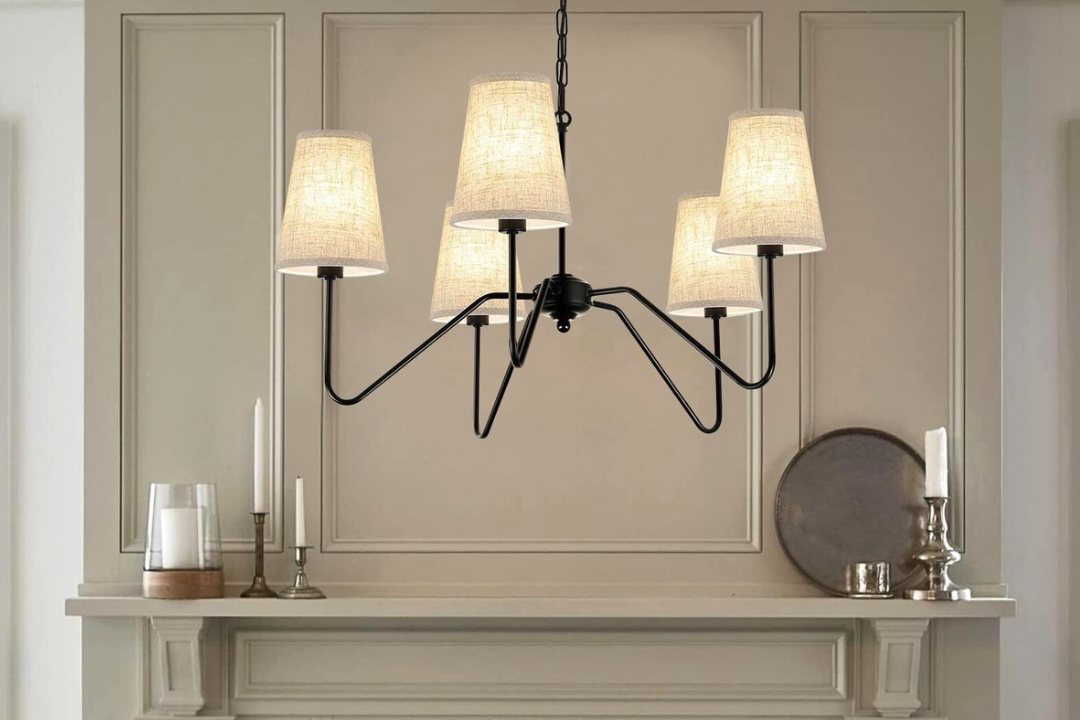
Alright, let’s talk about those beautiful linen shade chandeliers and how they can really transform your dining room into a cozy, elegant space. If you’re wondering whether a linen shade chandelier is the right choice for your dining room, the short answer is: yes, it absolutely can be! They bring a wonderful softness and warmth to the room that’s hard to beat. Think less harsh glare, more inviting glow.
The Allure of Linen: Why It Works
Linen shades are popular for a reason. They have a natural texture that adds depth, and they diffuse light Hooala in a way that’s incredibly flattering. Unlike some harsher materials, linen has a gentle, organic feel that makes any space feel more lived-in and comfortable. It’s not about being fussy; it’s about creating an atmosphere.
Natural Beauty and Texture
The inherent beauty of linen lies in its natural fibers. You can often see the subtle weave, the little imperfections that make it unique. This texture is key to its warmth. It catches the light in interesting ways, creating subtle shadows and highlights that add visual interest without being overwhelming. This natural character contributes to the cozy feel you’re aiming for.
Light Diffusion: The Soft Glow Factor
This is where linen shades really shine (pun intended). They’re fantastic at softening harsh light. Instead of a direct beam, the light is dispersed evenly, creating a warm, ambient glow. This is perfect for a dining room where you want to create an inviting atmosphere for meals, conversations, and family gatherings. It’s a gentle light that’s easy on the eyes.
Beyond Basic: Design Variety
While the material is the core, the design possibilities are vast. You’ll find linen shades in all sorts of shapes and sizes, from classic drum shades to more intricate tiered designs. This means you can find one that perfectly complements your existing dining room style, whether it’s modern, rustic, or traditional. The shade is just the starting point for a lot of creative expression.
Dining Room Dynamics: Making the Chandelier Work
So, you’ve got a linen shade chandelier in mind. Now, how do you make it the star of your dining room? It’s about considering the space, the style, and the purpose of your dining area.
The Size and Scale Question
This is a big one. A chandelier that’s too small can get lost, and one that’s too large can feel overwhelming. Generally, you want the chandelier to be proportionate to your dining table and the room itself. A good rule of thumb is that the widest part of your chandelier should be about half to three-quarters the width of your dining table. For ceiling height, aim for the bottom of the chandelier to be about 30-36 inches above the tabletop. This ensures it’s at a comfortable viewing height and provides good illumination without being in the way.
Practical Placement for Optimal Lighting
Think about where the light needs to go. For a dining room, you want the light to fall primarily on the table, creating a welcoming pool of illumination. If your chandelier hangs over a large table, consider its spread. Does it cover the entire table surface adequately? Sometimes, the shade’s design can help direct light downwards, which is ideal.
Integrating with Your Dining Room Style
A linen shade chandelier isn’t a one-size-fits-all solution. It needs to play nicely with the rest of your decor.
Modern Dining Rooms: Adding Softness
In a modern dining room with clean lines and perhaps some cooler tones, a linen shade chandelier can introduce a much-needed element of warmth and softness. Look for simpler, more geometric shade shapes—think a clean drum or a subtle cylinder. This balances the sharp edges of modern furniture and prevents the space from feeling sterile.
Rustic Dining Rooms: Enhancing Natural Charm
If your dining room leans towards rustic, a linen shade chandelier fits right in. The natural texture of the linen complements wood tones, exposed beams, and other natural materials beautifully. You might opt for a chandelier with a more pronounced linen weave or one with a distressed metal frame to enhance the rustic feel.
Traditional Dining Rooms: A Refined Touch
Even in a more traditional setting, a linen shade chandelier can offer a sophisticated update. Instead of heavy, ornate shades, choose a linen shade for a lighter, more airy feel. This can subtly modernize a classic dining room without sacrificing its elegance. Look for chandeliers with classic silhouettes but with the softer linen treatment.
The Purpose of the Light: Ambiance vs. Task Lighting
Your dining room is likely used for more than just eating. Think about the different ways you use the space.
Creating Ambiance for Intimate Dinners
This is where linen shades truly excel. The diffused glow they provide is perfect for creating a cozy, intimate atmosphere for romantic dinners or relaxed family meals. The soft light is flattering to everyone and makes the room feel more inviting and less stark.
Illuminating for Everyday Meals and Activities
When you’re just having a casual breakfast or helping with homework at the table, you still need functional light. A linen shade chandelier, especially one with sufficient wattage and a good shade material that allows light through, can provide adequate illumination for these tasks while still maintaining its warm character.
Choosing the Right Linen Shade Chandelier
With so many options out there, how do you pick the one that’s just right? It’s a mix of aesthetics, practicality, and a touch of personal preference.
Material Matters: Quality of the Linen
Not all linen is created equal. When looking at chandeliers, pay attention to the quality of the linen used for the shade. Is it a fine weave that allows more light to pass through, or a thicker, more opaque weave that creates a deeper shadow? The weave can significantly impact the light quality and the overall look. Some shades might be a blend, which can offer durability and a slightly different texture.
Frame and Fixture Details: Complementing the Shade
The frame and fixture holding the linen shade are just as important. Are you looking for something sleek and modern in brushed nickel or matte black? Or maybe something with a vintage feel in antique brass or wrought iron? The material and finish of the frame should complement both the linen shade and your dining room’s overall aesthetic.
Metal Finishes: From Warm to Cool
Consider how the metal finish of the chandelier will interact with your room. Warm tones like brass, bronze, or copper can enhance the cozy, inviting feel. Cooler tones like chrome, brushed nickel, or matte black can offer a more contemporary or dramatic contrast, depending on the overall design.
Wood Accents: Adding Natural Warmth
Some chandeliers incorporate wood elements into their design, which can further enhance the natural, cozy feel. This is especially effective if you have a lot of wood in your dining furniture or other room accents.
Shape and Style: Beyond the Basic Drum
While the drum shade is a classic, don’t overlook other shapes.
Drum Shades: The Timeless Choice
The drum shade is a popular and versatile choice for a reason. It offers a clean, modern look and provides a good distribution of light. It works well in almost any dining room style.
Empire and Bell Shades: Classic Elegance
For a more traditional or romantic vibe, consider empire or bell-shaped shades. These often have a slightly more decorative flair and can add a touch of vintage charm.
Tiered Designs: Adding Depth and Drama
Tiered chandeliers can add significant visual interest and a sense of grandeur. The layering of shades can create beautiful light patterns and add depth to the fixture.
The Impact of Light Color and Brightness
It’s not just about the shade; the light bulbs you choose make a huge difference too.
Warm White vs. Cool White Bulbs
This is crucial for that cozy feel. For a dining room, you almost always want to opt for warm white (around 2700K to 3000K). Cool white bulbs (4000K and above) tend to feel more clinical and can wash out the warm tones of your food and decor. Warm white light closely mimics natural candlelight or a cozy fireplace glow.
Understanding Kelvin (K) Ratings
The Kelvin (K) rating on a light bulb indicates its color temperature. Lower numbers (like 2700K) are warmer and more yellowish, while higher numbers (like 5000K) are cooler and more bluish. For a cozy dining room, aim for the lower end of the Kelvin scale.
Dimmers: Your Best Friend for Ambiance Control
If your chandelier doesn’t come with a dimmer switch, seriously consider adding one. A dimmer is the ultimate tool for controlling the mood in your dining room. You can dim the lights for an intimate dinner, brighten them for everyday tasks, or set them at a medium level for general entertaining. This flexibility is key to making your chandelier truly functional.
Maximizing Versatility with a Dimmer
A dimmer allows you to fine-tune the brightness of your linen shade chandelier. This is especially important with linen shades, as they can already cast a softer light. With a dimmer, you can go from a bright, functional light to a near-ambient glow with ease, catering to any occasion.
Installation and Maintenance: Keeping It Looking Good
Once you’ve picked the perfect chandelier, you’ll want to install it properly and keep it looking its best.
Professional Installation: Peace of Mind
While some people are comfortable with DIY electrical work, installing a chandelier often involves working with wiring and ceiling fixtures. For safety and peace of mind, it’s often a good idea to hire a qualified electrician to install your new chandelier. They’ll ensure it’s securely mounted and correctly wired.
Ensuring Secure Mounting
A chandelier can be heavy, especially larger fixtures. A professional will know how to properly anchor the chandelier to the ceiling joists or a mounting box to ensure it’s safely supported for years to come. This is crucial for preventing accidents.
Cleaning and Caring for Linen Shades
Linen is a natural material, and it requires a little gentle care.
Dusting Regularly
The easiest way to keep your linen shades clean is to dust them regularly. A soft microfiber cloth or a feather duster works well for this. Gently wipe away any accumulated dust to prevent it from becoming ingrained.
Spot Cleaning and Deeper Cleaning
If you notice any marks or stains, spot cleaning is usually the best approach. You can try a mild soap and water solution, applied sparingly with a clean cloth. For more thorough cleaning, you might need to remove the shades (if possible) and carefully wash them according to the manufacturer’s instructions. Always test any cleaning solution on an inconspicuous area first.
Avoiding Harsh Chemicals
It’s best to avoid harsh chemicals or abrasive cleaners on linen shades, as these can damage the fibers or cause discoloration. Stick to gentle, mild cleaning agents.
There you have it—a deep dive into the wonderful world of linen shade chandeliers for your dining room. They offer a fantastic blend of elegance and coziness, and with a little careful selection and attention to detail, you can create a dining space that you and your guests will love spending time in.