


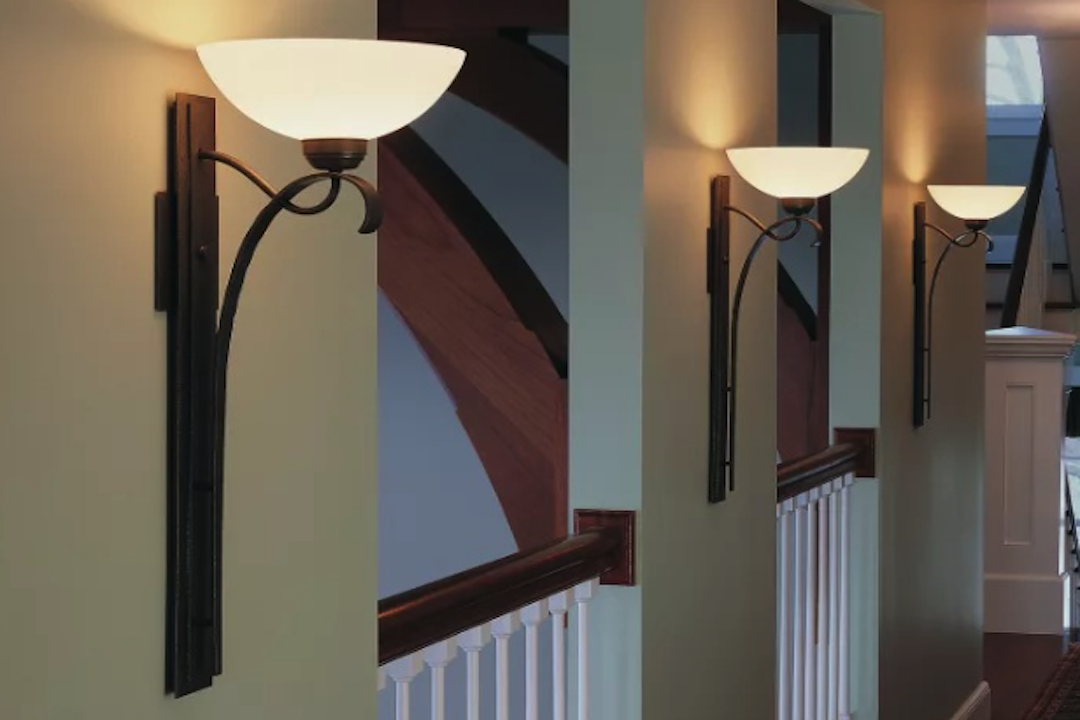
Wall-mounted accent lighting can transform a hallway from a mere passageway into a space with both functional and aesthetic value. This type of lighting aims to highlight architectural features, artworks, or simply provide a softer, more inviting atmosphere. Unlike task lighting, which is designed for specific activities like reading, or ambient lighting, which aims to illuminate an entire room uniformly, accent lighting focuses on drawing attention to particular elements. The strategic placement of wall-mounted fixtures allows for controlled illumination, preventing glare and creating visual interest.
Hallways, often overlooked architectural elements, can become powerful design statements with the judicious use of accent lighting. They are the connective tissue of a home, the arteries through which movement flows, and their design can significantly impact the overall perception of a dwelling. Accent lighting Martliving acts as a spotlight on these transitional spaces, elevating them beyond mere utility.
Differentiating Accent Lighting from Other Lighting Types
It is important to distinguish accent lighting from other common lighting categories. Ambient lighting provides a general level of illumination, ensuring a space is visible and safe. Think of it as the daylight filtering into a room. Task lighting, conversely, is designed for specific purposes, such as illuminating a desk for work or a kitchen counter for food preparation. It is the focused beam you might use to inspect something closely. Accent lighting, however, operates on a different principle. Its primary function is to draw the eye, to emphasize texture, form, or color. It is akin to the play of shadows and highlights that reveal the contours of a sculpture, or the way a single candle can illuminate a portrait, bringing it to life.
The Psychological Impact of Hallway Lighting
The way a hallway is lit can influence mood and perception. A dark, uninviting hallway can make a home feel smaller and unwelcoming. Conversely, a well-lit hallway can create a sense of spaciousness, elegance, and warmth. Accent lighting contributes to this by adding depth and dimension. It can guide the eye, creating a sense of direction and flow, making the hallway feel less like a tunnel and more like a curated experience. This can be particularly effective in long or narrow hallways, where accent lighting can break up the monotony and create visual landmarks.
Hallways as Opportunities for Design Expression
Hallways are often the first impression guests have of a home’s interior. They present an opportunity to showcase personal style and introduce the design narrative of the rest of the house. Wall-mounted accent lighting provides a sophisticated means of achieving this. It allows for the integration of light as an element of art and architecture, rather than solely a functional necessity.
Types of Wall-Mounted Accent Lighting Fixtures
A variety of wall-mounted fixtures exist, each offering distinct lighting characteristics and aesthetic styles. The choice of fixture often dictates the type of effect produced and the overall visual appeal.
Sconces and Wall Lights
Wall sconces are perhaps the most traditional form of wall-mounted lighting. They project light upwards, downwards, or both, often with shades that diffuse or direct the light.
Up-lighting Sconces
Up-lighting sconces are designed to cast a beam of light towards the ceiling. This technique can make a hallway feel taller and more expansive by drawing the eye upwards. The reflected light from the ceiling creates a soft, diffused ambient illumination, reducing harsh shadows. Consider this the equivalent of creating an ethereal glow that expands the perceived volume of the space.
Down-lighting Sconces
Down-lighting sconces direct light towards the floor. This can be useful for illuminating the path and highlighting floor textures or rugs. They can also create a sense of intimacy. This is like a gentle hand guiding your steps, ensuring sure footing while also subtly drawing attention to the ground you traverse.
Two-Way (Up and Down) Sconces
Fixtures that emit light in both directions offer versatility. They can provide both ambient illumination from the ceiling reflection and a more direct light downwards. This dual functionality allows for layered lighting effects, creating a dynamic visual experience.
Picture Lights and Art Spotlights
Specifically designed to illuminate artwork, these fixtures are typically slim and adjustable, allowing for precise targeting of paintings, photographs, or sculptures.
Adjustable Heads for Precision
The ability to adjust the angle and direction of the light beam is crucial for picture lights. This ensures that the artwork is illuminated without causing glare or washing out details. It’s like having a skilled artist’s brush, able to precisely sculpt the light to reveal the nuances of a masterpiece.
Integrated vs. Surface-Mounted Options
Picture lights can be integrated directly into the wall above artwork for a seamless look, or they can be surface-mounted, offering a more visible design element. The choice depends on the desired aesthetic and the existing wall treatment.
LED Strip Lights and Tape Lights
These flexible and discreet lighting solutions can be installed along wall edges, architectural details, or within custom alcoves.
Concealed Illumination for Subtle Effects
LED strip lights are often hidden from direct view, producing a cove-like effect or illuminating architectural lines from within. This creates a sophisticated, indirect light that adds depth and visual interest. Imagine moonlight seeping from between stones, defining their form without revealing its source.
Highlighting Architectural Features
The thin profile of LED strips makes them ideal for outlining cornices, moldings, or the edges of doorways, drawing attention to intricate details. This is like tracing the veins of a leaf with a delicate beam, emphasizing its intricate structure.
Modern Track Lighting (Wall Mounted)
While often associated with ceilings, wall-mounted track lighting systems can also be utilized to direct multiple spotlights along a hallway.
Flexible Placement of Multiple Lights
Track systems allow for the repositioning of individual lights, offering adaptability as needs or decor change. This provides a dynamic lighting solution that can evolve with the space.
Focused Beams for Targeted Accentuation
Each head on a track can be angled to highlight different elements, from a gallery wall to a specific decorative object.
Strategic Placement for Maximum Impact
The effectiveness of wall-mounted accent lighting hinges on its placement. Consider the hallway’s dimensions, architectural features, and the objects you wish to highlight.
Utilizing Vertical Space
Wall-mounted fixtures inherently leverage vertical space. Their placement can influence the perceived height of the hallway.
Drawing the Eye Upwards to Create a Sense of Height
As mentioned with up-lighting sconces, directing light towards the ceiling can visually elevate the space, making it feel more open and airy. This is akin to opening a skylight, inviting the vastness of the heavens into the confined space.
Creating a Visual Ladder Effect
Alternating fixtures at regular intervals can create a rhythmic pattern that guides the eye along the length of the hallway, making it feel less like a static corridor and more like a journey.
Highlighting Wall Textures and Finishes
Accent lighting can bring out the inherent beauty of wall surfaces.
Emphasizing Textured Wallpaper or Paint
A strategically placed light can reveal the subtle patterns and depth of textured wallpaper or the nuanced sheen of a painted finish. This is like a sculptor running their hand over a rough surface, revealing its latent character through touch and light.
Showcasing Decorative Wall Treatments
Exposed brick, wood paneling, or stone features can be dramatically enhanced by directing light to graze their surfaces, revealing their natural variations and imperfections as strengths.
Illuminating Artwork and Decorative Objects
The primary purpose of accent lighting is often to showcase items of interest.
Centering Light on Key Pieces
Ensure that the light source is positioned to directly illuminate the chosen artwork or object without creating distracting shadows or glare. This requires careful measurement and consideration of the fixture’s beam angle.
Creating Focal Points and Visual Interest
By highlighting specific items, accent lighting transforms ordinary walls into galleries, transforming the hallway into a curated exhibition.
Defining Pathways and Guiding Movement
Lighting can subtly direct the flow of traffic through a hallway.
Low-Level Illumination for Navigational Cues
Using lower-mounted fixtures or down-lighting can provide gentle cues for navigating the space, particularly at night. This is like moonbeams illuminating a forest path, providing just enough light to find your way.
Creating a Sense of Entry and Exit
Lighting can be used to draw attention to the entrance of the hallway and the exit points, making the transitions more defined and welcoming.
Choosing the Right Light Source and Color Temperature
The type of light bulb and its color temperature play a significant role in the overall ambiance created by accent lighting.
Understanding LED Technology for Accent Lighting
LEDs are a popular choice due to their energy efficiency, long lifespan, and versatility.
Energy Efficiency and Longevity
LEDs consume significantly less energy than incandescent bulbs, leading to cost savings. Their extended lifespan also reduces the frequency of bulb replacements.
Color Rendering Index (CRI)
The CRI indicates how accurately a light source reveals the true colors of objects. For accent lighting, especially when highlighting artwork, a high CRI is desirable.
Selecting the Appropriate Color Temperature (Kelvin)
Color temperature, measured in Kelvin (K), affects the perceived warmth or coolness of light.
Warm White (2700K-3000K) for Ambiance
This range mimics the warm glow of traditional incandescent bulbs and is ideal for creating a cozy and inviting atmosphere in hallways. It’s the comforting embrace of candlelight.
Cool White (4000K-5000K) for Modern Aesthetics
Cooler tones can provide a crisper, more modern feel and may be suitable for contemporary interiors, though they can sometimes feel less inviting in residential settings.
Neutral White (3500K) as a Balance
A neutral white offers a good compromise, providing a clean light that is neither overly warm nor overly cool. It’s like the balanced light of a slightly overcast day, revealing details without exaggeration.
Dimmer Switches for Control and Flexibility
The inclusion of dimmer switches allows for adjustable light levels, enhancing the versatility of accent lighting.
Creating Dynamic Lighting Scenes
Dimmers enable the user to alter the mood of the hallway throughout the day or for different occasions, from bright and welcoming to soft and intimate. This is like having a conductor’s baton, able to modulate the intensity and presence of the light.
Preventing Over-Illumination and Glare
The ability to dim lights ensures that harsh glare is avoided, particularly important when highlighting delicate artwork or when seeking a softer overall illumination.
Installation and Practical Considerations
Proper installation is crucial for both the safety and effectiveness of wall-mounted accent lighting.
Professional Installation Recommendations
For complex systems or when dealing with existing wiring, consulting a qualified electrician is advisable.
Ensuring Electrical Safety and Compliance
An electrician can ensure that all wiring is up to code, preventing potential hazards.
Integrating Lighting into Existing Electrical Systems
Professionals can seamlessly integrate new lighting circuits into your home’s existing electrical infrastructure.
DIY Installation for Simpler Fixtures
For basic sconces or plug-in fixtures, DIY installation may be feasible, but requires care.
Tools and Materials Needed
A basic toolkit, including a screwdriver, drill, and possibly a stud finder, will be necessary. Understanding how to safely turn off power at the breaker is paramount.
Understanding Wiring and Mounting Techniques
Familiarize yourself with the specific mounting instructions provided with the fixture and ensure secure attachment to wall studs or appropriate anchors. This is like building a sturdy foundation for a house, ensuring it stands firm and safe.
Maintenance and Bulb Replacement
Consider the ease of access for bulb replacement and general cleaning.
Accessibility for Bulb Changes
Choose fixtures where bulb replacement is straightforward without requiring extensive disassembly.
Cleaning Fixtures and Shades
Regular cleaning will maintain the brightness and aesthetic appeal of the fixtures. Use appropriate cleaning materials for different finishes.
Case Studies and Design Inspiration
Examining examples of successful hallway accent lighting can provide tangible ideas for implementation.
Long and Narrow Hallway Solutions
Hallways of this nature often pose challenges in terms of feeling cramped or monotonous.
Using Lighting to Break Up the Space
Alternating sconces at regular intervals can create a sense of rhythm and prevent the hallway from feeling like an endless tunnel. This is like placing stepping stones across a wide river, making the journey manageable and visually appealing.
Highlighting Architectural Niches or Recesses
If the hallway has any alcoves or decorative recesses, accent lighting can draw attention to these features, adding points of interest.
Wide Hallways and Gallery Spaces
Wider hallways offer more scope for creating distinct lighting zones and showcasing larger collections.
Creating Zones with Accent Lighting
Different areas within a wide hallway can be individually illuminated to serve distinct purposes or highlight separate artworks. This is like dividing a large canvas into smaller sections, each with its own focus.
Illuminating a Gallery Wall Effectively
A series of uniformly spaced picture lights or spotlights can create a cohesive and impactful display for a gallery wall.
Entryway Hallways and Transitional Spaces
The entryway sets the tone for the entire home.
Welcoming and Inviting Ambiance
Using warm, diffused light can create an immediate sense of welcome for arriving guests.
Highlighting Decorative Elements at the Entrance
A statement piece of art or a unique console table can be effectively highlighted with accent lighting to make a strong first impression.
By carefully considering the type of fixtures, their placement, and the quality of light, wall-mounted accent lighting can transform a mundane hallway into an attractive and functional part of your home’s design. It is not merely about illumination; it is about sculpting light to enhance perception and create a more engaging living environment.