


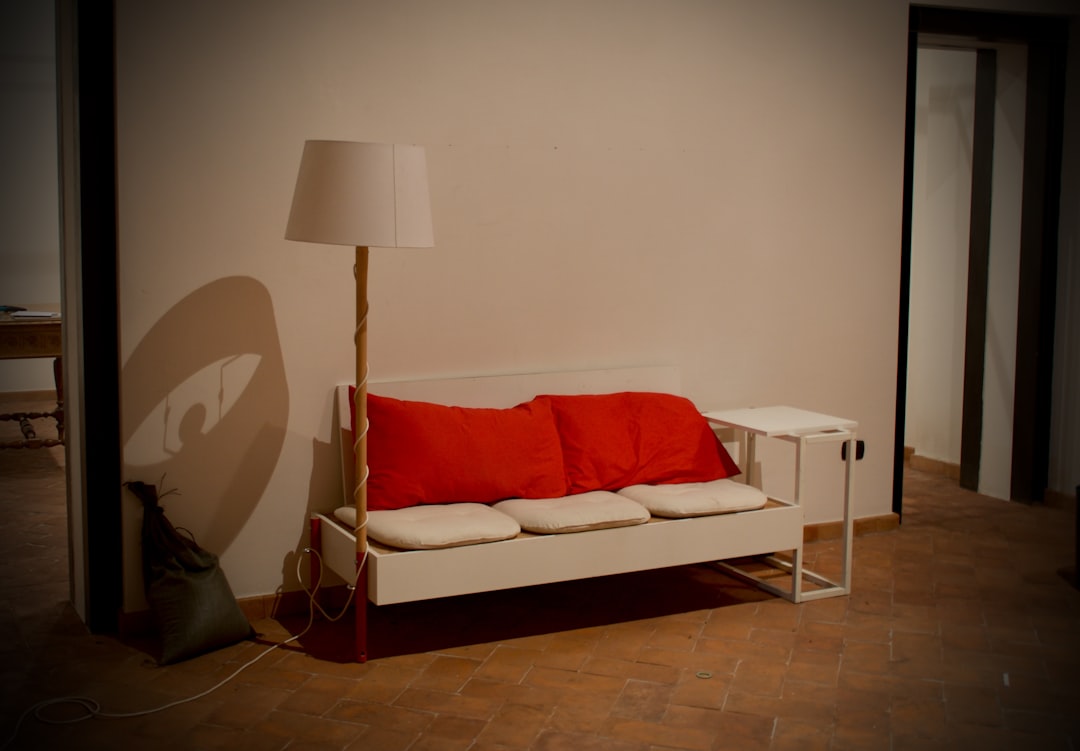
The strategic integration of an accent lamp can significantly alter the aesthetic and functional characteristics of an interior space. This article explores the concept of utilizing a high-contrast accent lamp to enhance visual interest and define specific areas within a room. This approach leverages the inherent properties of light and color to create a focal point, drawing the eye and establishing a sense of curated design.
Contrast, in the context of interior design, refers to the juxtaposition of opposing elements to create visual dynamism. This can manifest through differences in color, texture, shape, or luminance. A high-contrast accent lamp Shoowz specifically employs variations in brightness and color to stand apart from its surroundings, thereby demanding attention.
The Role of Luminance Contrast
Luminance contrast, or the difference in brightness between an object and its background, is a fundamental principle in visual perception. A high-contrast accent lamp leverages this by providing a distinct light source that is either significantly brighter or darker than the ambient lighting. This differentiation can be achieved through the lamp’s material, its light output, or a combination of both. For instance, a dark-toned lamp against a light wall, or a brightly glowing lamp in a dimly lit corner, exemplifies luminance contrast. This creates a visual anchor, much like a lighthouse guiding a ship, drawing the observer’s gaze to a specific point.
Color Contrast and Its Impact
Beyond brightness, color contrast plays a crucial role. This involves the use of colors that are opposite or distant on the color wheel. A vibrant red lamp in an otherwise monochromatic grey room provides a potent example of color contrast. Such a choice injects energy and personality into the space, acting as a deliberate visual interruption that prevents monotony. The selection of a high-contrast color for the lamp itself, or for the light it emits, can dramatically alter the mood and perceived temperature of a room. A cool-toned lamp in a warm-toned environment, or vice-versa, can create intriguing visual tension.
Textural Contrast for Depth and Interest
While not directly related to light emission, the texture of the accent lamp itself can contribute to overall contrast. A smooth, reflective lamp in a room dominated by matte, rough textures introduces an element of tactile contrast that complements the visual impact. This interplay of textures adds a layer of sophistication and depth, preventing the space from appearing flat or one-dimensional. Consider a polished brass lamp against a distressed brick wall, illustrating how textural differences contribute to a richer visual experience.
Selecting the Right High-Contrast Accent Lamp
The effectiveness of a high-contrast accent lamp hinges on careful selection. This involves considering the lamp’s design, its light output, and its compatibility with the existing décor. The lamp should not only stand out but also complement the overall aesthetic, acting as a harmonious disruption.
Lamp Style and Material
The style of the accent lamp should align with, or intentionally diverge from, the room’s overarching design theme. A minimalist lamp in a maximalist room can provide a calming counterpoint, while an ornate lamp in a contemporary setting can introduce an element of eclectic charm. Materials like polished metal, colored glass, or even unconventional choices like concrete or reclaimed wood can contribute to the high-contrast effect. A sleek, modern lamp made of chrome in a rustic, farmhouse-style room creates an immediate visual dialogue, where the lamp acts as a precise brushstroke on a broader canvas.
Light Output and Temperature
The light emitted by the accent lamp is paramount. Consider whether a bright, focused beam or a diffused, ambient glow is desired. The color temperature of the light (warm white, cool white, daylight) also influences the perceived contrast. A warm white light in a predominantly cool-toned room can create an inviting warmth, much like a campfire in a snowy landscape. Conversely, a cool white light can provide a crisp, modern edge. Dimmable lamps offer versatility, allowing you to adjust the level of contrast as needed, adapting to varying moods or activities.
Scale and Placement Considerations
The scale of the accent lamp relative to its surroundings is a critical factor. An undersized lamp will be lost, failing to achieve the desired contrast, while an oversized lamp can overwhelm the space. Placement is equally important. Position the lamp where its contrast can be fully appreciated, such as on a console table against a blank wall, or within a bookshelf as a deliberate punctuation mark. The lamp should draw attention without obstructing flow or functionality. Think of it as a carefully placed jewel in a setting, its size and position accentuating its intrinsic value.
Integrating the Lamp into Your Design Scheme
Once selected, the accent lamp needs to be thoughtfully integrated to maximize its impact. This involves considering its relationship with existing furniture, color palettes, and other decorative elements. The goal is to create a cohesive yet dynamic composition.
Harmonizing with Existing Furniture
The high-contrast lamp should not exist in isolation. Consider how its form, color, or material interacts with nearby furniture. A geometric lamp can be placed beside a curvilinear sofa to create a visual dialogue between shapes. If the lamp itself is a strong design statement, allow it space to breathe; avoid overcrowding it with too many other decorative items. The lamp acts as a soloist, and the surrounding furniture provides the accompanying orchestra, each playing its distinct part while contributing to the overall harmony.
Leveraging Color Palettes
The existing color palette of your room provides the backdrop against which the accent lamp will perform. If your room is dominated by neutrals, a bold, brightly colored lamp will create immediate and impactful contrast. Conversely, in a room with a vibrant color scheme, a lamp in a neutral tone with a strong form might provide the necessary visual anchor. Experiment with complementary or analogous color schemes to achieve different effects. A vivid blue lamp in a room with warm orange accents, for example, creates a vibrant and energetic contrast.
Creating Focal Points and Zones
A high-contrast accent lamp is an effective tool for creating focal points. By strategically placing the lamp, you can direct attention to a particular area or object, such as an art piece or a reading nook. This technique can also be used to define specific zones within an open-plan living space. A pair of identical high-contrast lamps flanking a fireplace can establish a clear focal point, while a single lamp on a side table delineates a cozy reading corner. The lamp acts as a beacon, guiding the eye and organizing the visual landscape of the room.
Practical Applications and Benefits
The application of a high-contrast accent lamp extends beyond mere aesthetics, offering several practical benefits that enhance both the functionality and appeal of a space. These benefits range from improved illumination to psychological effects on mood and perception.
Enhancing Ambiance and Mood
The quality and quantity of light significantly influence the ambiance of a room. A high-contrast accent lamp, typically providing localized and somewhat dramatic illumination, can create a more intimate or sophisticated atmosphere. By adding layers of light, you achieve a more nuanced and inviting environment than with a single overhead light source. This layering allows for the creation of various moods – a bright and airy atmosphere during the day, transitioning to a warm and cozy glow in the evening. The lamp essentially provides a dimmer switch for the room’s emotional temperature.
Task Lighting and Functionality
While primarily decorative, an accent lamp can also serve a functional purpose as task lighting. Positioned on a desk or beside a reading chair, it provides the necessary illumination for specific activities without overwhelming the entire room. The localized brightness of a high-contrast lamp can be particularly effective in these scenarios, carving out a well-lit work or reading zone within a broader, more ambiently lit space. It becomes a focused spotlight on the stage of your daily activities.
Visual Interest and Breaking Monotony
One of the primary benefits of a high-contrast accent lamp is its ability to introduce visual interest. In rooms that might otherwise feel bland or uninspired, such a lamp acts as a captivating element, preventing visual fatigue. It provides a point of divergence, a moment of surprise that invigorates the space. This is particularly useful in minimalist or monochromatic designs where a single, bold element can elevate the entire aesthetic from stark to striking. It’s the unexpected twist in a familiar melody, keeping the listener engaged.
Common Pitfalls and How to Avoid Them
While high-contrast accent lamps offer numerous advantages, there are potential pitfalls to navigate. Understanding these challenges can help ensure your selection and placement are effective and avoid undesirable outcomes.
Overuse and Clutter
One common mistake is the overuse of high-contrast elements. Too many accent lamps, or too many high-contrast items in a single space, can lead to visual clutter and a chaotic rather than coherent aesthetic. The impact of a high-contrast lamp diminishes if it has too much competition. Think of it as a singular exclamation mark; multiple exclamation marks diminish the emphasis of each. The key is strategic placement and restraint, allowing each contrasting element its moment to shine.
Incompatible Styles and Materials
Introducing an accent lamp that is completely out of sync with the room’s prevailing style or material palette can result in a jarring rather than sophisticated effect. While some stylistic juxtaposition can be effective, a complete mismatch can make the lamp appear poorly chosen or like an afterthought. For instance, a highly ornate, traditional lamp in a stark industrial space without any other bridging elements can feel incongruous. The lamp should either deliberately challenge or subtly complement the existing design language.
Insufficient or Excessive Contrast
The degree of contrast is crucial. Insufficient contrast will mean the lamp fails to stand out and becomes merely another light fixture. Conversely, excessive contrast can be overwhelming or create an aggressive visual statement. The goal is a balanced tension, where the lamp creates a noticeable break without becoming a visual assault. Experiment with different light sources and colors to find the optimal level of contrast that enhances your space rather than detracts from it. The contrast should be a gentle nudge, not a forceful shove, guiding your eye.
In conclusion, a high-contrast accent lamp is a potent design tool capable of transforming an interior. By understanding the principles of contrast, carefully selecting the appropriate lamp, and integrating it thoughtfully into your existing design scheme, you can create a more dynamic, functional, and visually engaging environment. The strategic use of such a lamp serves not only to illuminate but also to define, accentuate, and personalize your space, turning it from a mere room into a curated experience.