


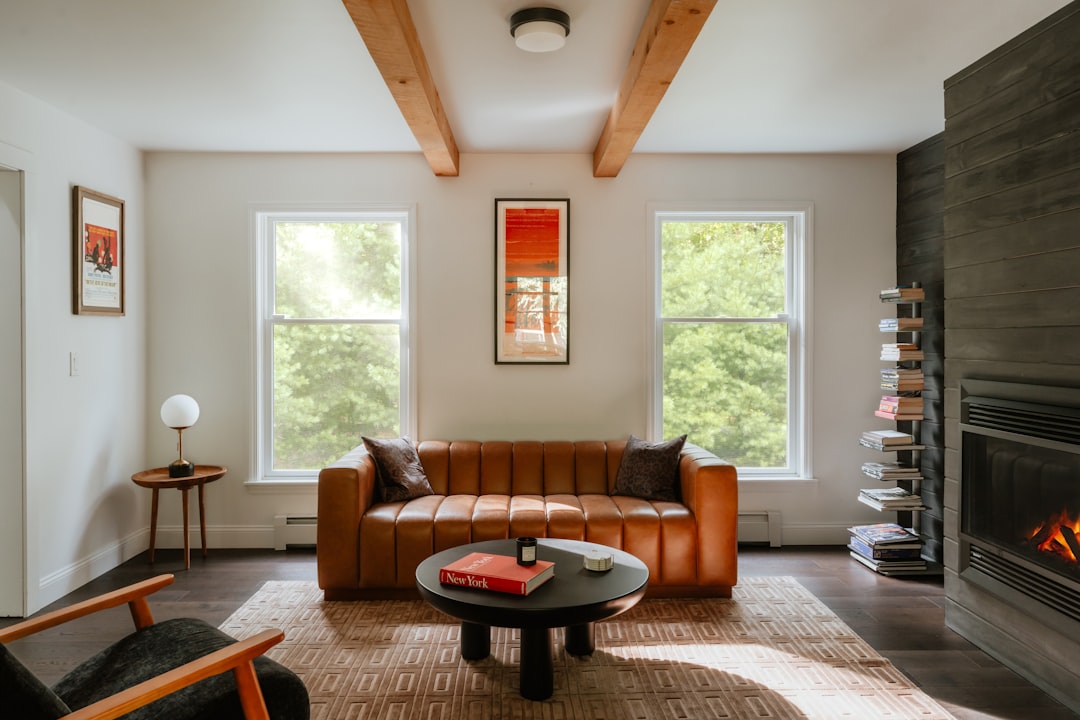
A “high-contrast accent lamp” is a functional and aesthetic lighting fixture designed to introduce a focal point and enhance visual interest within an interior space. These lamps achieve their effect through the deliberate juxtaposition of dissimilar elements, often in terms of color, material, or form. Their primary role is not to illuminate an entire room, but rather to highlight specific areas, objects, or architectural features, thereby creating depth and defining visual pathways. In doing so, they function as a visual exclamation mark, drawing attention to themselves and, by extension, to the design narrative of the room.
Understanding the underlying principles of high contrast is fundamental to appreciating the effectiveness of these lamps. High contrast refers to the degree of difference between opposing elements. In the context of accent lighting, this can manifest in several ways:
Color Contrast
The most immediate form of contrast, color contrast, involves placing colors that are distinctly different from each other in close proximity.
Hue Contrast
Hue contrast relates to the use of colors from opposite sides of the color wheel. For example, a vibrant blue lamp in a predominantly orange-toned room. This creates a striking visual tension. The lamp becomes a jewel, interrupting the monochromatic hum of its surroundings.
Value Contrast
Value contrast refers to the difference in lightness or darkness between colors. A primary application is a dark-colored lamp in a light room, or vice versa. Imagine a black metal lamp against a pale cream wall – the lamp asserts its presence with an undeniable visual weight. This is akin to a sudden drop in a musical score, commanding immediate attention.
Saturation Contrast
Saturation contrast involves juxtaposing highly saturated (vivid) colors with desaturated (muted) colors. A bright crimson lamp in a room with a palette of soft grays would exemplify this. The lamp, in this scenario, is a burst of energy, a singular vibrant note in an otherwise subdued composition.
Material Contrast
Material contrast introduces tactile and textural variations within a space. This often involves combining smooth surfaces with rough, or polished with matte.
Texture Contrast
The feel and appearance of a material’s surface contribute significantly to its contrast. A lamp crafted from rough, industrial concrete placed on a smooth, polished marble table provides a clear textural differentiation. This creates a subtle friction, an intriguing interplay that invites closer inspection. The contrast here is not just visual but also haptic, a silent conversation between surfaces.
Finish Contrast
Finishes can range from highly reflective to completely matte. A polished chrome lamp against a raw wood backdrop offers a stark contrast in reflectivity. The reflective surface catches and disperses light, creating a dynamic interplay, while the raw wood absorbs it, lending an earthy stability. This is like holding a mirror to a forest, revealing both the immediate reflection and the deep, absorbing texture.
Form and Style Contrast
Contrast can also be achieved through the deliberate placement of objects with differing shapes, lines, and aesthetic movements.
Geometric vs. Organic Forms
A lamp with sharp, angular lines placed in a space dominated by curved, organic shapes will create a dynamic tension. Envision a sleek, minimalist geometric lamp against a backdrop of flowing drapery and soft-edged furniture. This is placing a square peg in a round hole, not disrupting the fit, but questioning it in an intriguing way.
Modern vs. Traditional Styles
A contemporary, minimalist lamp introduced into a traditionally decorated room can provide a fresh perspective. Conversely, an ornate, vintage-inspired lamp in a sleek, modern setting can offer a touch of unexpected charm. This is a deliberate anachronism, a bridge between eras that sparks visual interest without being jarring. It’s like finding an antique pocket watch among modern gadgets, each highlighting the character of the other.
Strategic Placement for Impact
The effectiveness of a high-contrast accent lamp is often as dependent on its placement as it is on its inherent design. Careful consideration of its position can amplify its visual impact and functional utility.
Highlighting Architectural Features
Accent lamps can draw attention to specific architectural elements within a room. Placing a lamp near a fireplace mantel, a built-in bookcase, or a detailed molding can emphasize these features. The lamp acts as a spotlight, elevating these elements from background details to prominent design statements. This is akin to a director choosing to illuminate only a specific part of a stage, guiding the audience’s gaze.
Defining Zones
In open-plan living spaces, accent lamps can subtly define different functional zones without the need for physical barriers. A lamp positioned in a reading nook or adjacent to a dining area can visually demarcate these spaces. The lamp becomes a beacon, signaling the purpose of that particular area. It is a quiet boundary marker, inviting occupants to explore the distinct micro-environments within a larger space.
Creating Visual Weight and Balance
The visual weight of a high-contrast lamp can be used to balance other elements in a room. For example, if one side of a room feels lighter or less furnished, a strategically placed accent lamp can introduce visual heft and create a sense of equilibrium. The lamp acts as a counterweight, ensuring that the visual scales of the room are level. It is a deliberate act of choreography, distributing visual strength across the stage of your room.
The Functional Aspect: Targeted Illumination
Beyond aesthetics, high-contrast accent lamps serve a practical purpose by providing targeted illumination. This focused light contributes to the overall ambiance and utility of a space.
Task Lighting
For activities that require specific illumination, such as reading or working on a hobby, accent lamps can provide dedicated task lighting. A lamp with a focused beam, strategically positioned, minimizes eye strain and improves concentration. The lamp becomes a diligent assistant, providing precisely the light needed for the task at hand, like a reliable spotlight on a workbench.
Ambient Layering
While not intended for general room illumination, accent lamps contribute to the layering of light within a space. By adding pools of light, they break up potential monotony and create a more inviting and dynamic environment. They are the supporting actors in the lighting ensemble, adding depth and nuance to the overall performance. This layering is like painting with light, adding subtle highlights and shadows that enhance the overall composition.
Mood and Atmosphere
The type and intensity of light emitted by an accent lamp directly influence the mood of a room. Softer, warmer light can create a cozy and intimate atmosphere, while brighter, cooler light can evoke a more invigorating feel. The lamp, in this sense, acts as a mood ring for the room, shifting its emotional register with the flick of a switch. This control over mood is a powerful tool, allowing occupants to tailor their environment to their desired emotional state.
Selecting Your High-Contrast Accent Lamp
Choosing the appropriate high-contrast accent lamp requires careful consideration of various factors, ensuring it integrates effectively within the existing design scheme while fulfilling its intended purpose.
Assessing the Existing Décor
Before introducing a new element, evaluate the prevailing color palette, material choices, and stylistic tendencies of the room. Identify areas where contrast is lacking or where a visual focal point would be beneficial. Consider the room as a canvas; where does it need a bold brushstroke or a subtle accent? This initial assessment is crucial for ensuring the lamp enhances, rather than clashes with, the established aesthetic.
Considering the Lamp’s Purpose
Determine the primary function of the lamp. Is it predominantly for aesthetic enhancement, targeted task lighting, or a combination of both? This will influence choices regarding lamp type, light output, and adjustability. Knowing the lamp’s mission simplifies the selection process, narrowing down the field of options to those that are truly suitable. Is it a silent sentinel or an active participant in your daily life?
Material and Finish Integration
Select materials and finishes that will effectively create the desired contrast. This might involve choosing a material that is visually distinct from its surroundings (e.g., metal against wood) or a finish that offers a different reflective quality (e.g., matte against glossy). The lamp’s materiality should engage in a thoughtful dialogue with the existing elements, creating a harmonious yet dynamic interplay. It should feel like a perfectly chosen word in a well-crafted sentence.
Scale and Proportion
The size and scale of the lamp relative to the surrounding furniture and the room itself are critical. An oversized lamp in a small space can feel overwhelming, while a too-small lamp can get lost. The lamp should be in proportion, asserting its presence without dominating or being overshadowed. It’s about finding the right volume control for the visual statement you want to make. Think of it as a musical instrument in an orchestra – it must play its part without drowning out or being obscured by others.
Light Source and Temperature
The type of bulb and its color temperature will significantly impact the lamp’s effect. LED, incandescent, and fluorescent options offer various light qualities and energy efficiencies. Warm white light (typically 2700K-3000K) generally creates a cozy atmosphere, while cool white light (4000K+) can appear more modern and invigorating. Consider how the light itself will contribute to the desired contrast and mood. The choice of light is akin to selecting the painter’s palette; it dictates the hues and emotional resonance of the illuminated space.
Conclusion
A high-contrast accent lamp is more than just a source of light; it is a strategic design tool. By leveraging the principles of visual contrast—in color, material, form, and style—these lamps act as deliberate focal points, guiding the eye and enhancing the aesthetic narrative of an interior. Their thoughtful placement can highlight architectural features, define functional zones, and contribute to the overall balance and visual weight of a room. Functionally, they provide targeted illumination for specific tasks and contribute to the ambient layering that creates a nuanced and inviting atmosphere. When selecting one, consider its intended purpose, its relationship to existing decor, and the subtle interplay of its materials, form, and light. Properly chosen and strategically placed, a high-contrast accent lamp becomes an indispensable element, adding depth, character, and focused illumination to any space, transforming it from merely lit to thoughtfully designed. It is not merely an object, but an active participant in the ongoing conversation of your interior environment, a silent orator of chosen aesthetics and functionality.