


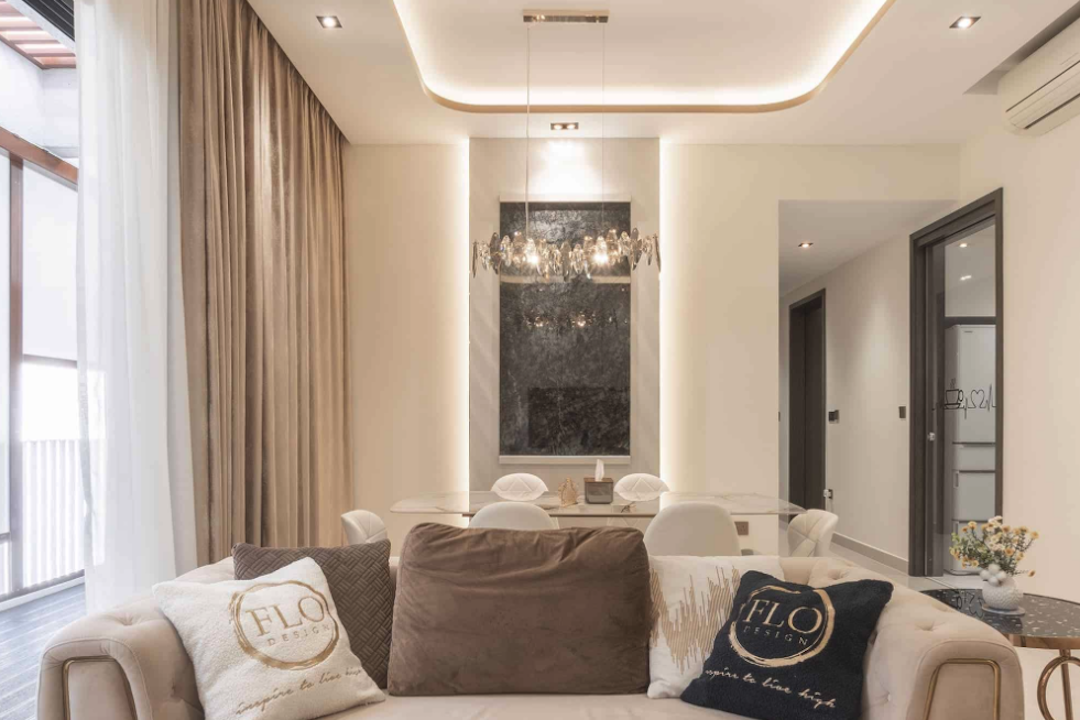
Floating lighting, at its core, refers to light fixtures that appear to defy gravity, often without visible support structures. This isn’t about magic; it’s clever design, using recessed mounts, nearly invisible wires, or even magnetic levitation to create an illusion of light hovering in space. The result is a clean, sophisticated aesthetic that can transform any room, adding a layer of subtle elegance that traditional fixtures often can’t achieve.
There’s something inherently captivating about light Exeactive that seems to come from nowhere. It adds a touch of mystery and sophistication.
Why Less is More with Light
Think about a beautifully lit museum exhibit. The focus is on the art, not the light source. Floating lighting works on a similar principle. By minimizing the visual presence of the fixture itself, the light becomes the star, highlighting architectural details, artwork, or simply creating a serene ambiance. It’s about enhancing the space without overwhelming it with bulky hardware.
Crafting an Illusion of Weightlessness
The magic of floating lighting lies in the illusion. Whether it’s a slim LED strip recessed into a coving, a magnetically levitating bulb, or a pendant with an almost invisible suspension, the goal is to make the light source seem like it’s effortlessly suspended. This creates a sense of openness and airiness in a room, making spaces feel larger and more uncluttered.
Common Techniques for Achieving the Float
While the end result is consistently elegant, there are several distinct approaches to achieving the “floating” effect. Each has its own merits and best applications.
Recessed and Integrated Lighting
This is arguably the most common and versatile method for subtle floating lighting. It involves embedding light sources directly into ceilings, walls, or even furniture.
Cove Lighting
Imagine a gentle glow emanating from the perimeter of a room, washing the ceiling in soft light. This is cove lighting, where LED strips or linear fixtures are hidden within a recess or ledge, typically near the ceiling line. The light bounces off the ceiling, creating an indirect, diffused illumination that feels incredibly soft and expansive. It eliminates harsh shadows and adds a sense of height to a room.
Plinth and Kickboard Lighting
Similar to cove lighting but applied closer to the floor, plinth or kickboard lighting involves recessing thin LED strips into the base of cabinets, islands, or even along the bottom edge of walls. This creates a subtle glow that defines the edges of furniture and can act as a fantastic night light in kitchens or bathrooms, guiding your way without being jarring. It makes heavier furniture appear to lift off the floor, enhancing the feeling of spaciousness.
Integrated Shelving and Cabinet Lighting
This technique is all about highlighting specific elements. LED strips or puck lights integrated into shelves, inside cabinets, or beneath countertops create a focused, yet soft, illumination. Think about backlighting a collection of books or showcasing decorative objects in a display cabinet. The light seems to emanate from the items themselves, drawing attention to them without revealing the source. This is particularly effective in kitchens, where under-cabinet lighting banishes shadows on countertops, making tasks easier and more pleasant.
Minimalist Suspensions and Nearly Invisible Wires
For fixtures that are undeniably suspended, the trick is to make the suspension itself disappear as much as possible.
Ultra-Thin Cables
Modern pendant lights often employ incredibly thin, almost transparent cables made of materials like Kevlar or high-strength nylon. These cables blend seamlessly with the background, making the light fixture appear to float unsupported. The effect is particularly striking with single, minimalist pendants that become points of light rather than heavy objects.
Track Lighting with Concealed Tracks
While track lighting can sometimes feel industrial, modern interpretations involve tracks that are incredibly slim and can even be recessed into the ceiling, making them almost invisible. The individual light heads then appear to float along the ceiling, offering flexible and directed illumination without the visual clutter of traditional track systems. This is perfect for art galleries or spaces where lighting needs to adapt to changing displays.
Magnetic Levitation Lights
This is where technology truly creates the illusion. Magnetic levitation lamps use electromagnetic forces to suspend a light bulb or a light-emitting element in mid-air, often with a slight, mesmerizing rotation. While still a premium option, these fixtures are true statement pieces that embody the “floating” concept in its purest form, sparking conversation and wonder. The base is often minimalist, or even integrated into a surface, further emphasizing the levitating light.
Designing with Floating Light: Practical Considerations
Implementing floating lighting isn’t just about aesthetics; it also involves practical decisions to ensure functionality and longevity.
Planning for Power
Before you get carried away with design ideas, consider the electrical infrastructure.
Wiring for Recessed Fixtures
For most recessed or integrated lighting, you’ll need to run wiring within walls, ceilings, or furniture. This is often easiest during new construction or a major renovation, as it avoids disruptive cutting into finished surfaces. However, careful planning can allow for retrofitting in existing spaces, perhaps by utilizing existing electrical boxes or strategically channeling wires. Consulting an electrician early in the process is crucial to ensure safety and compliance with building codes.
Low Voltage Systems
Many LED strips and smaller integrated lights operate on low voltage. This often requires a transformer, which needs to be cleverly hidden. Discuss placement of these transformers with your electrician to ensure they are accessible for maintenance but out of sight. Low voltage systems are generally safer and more energy-efficient, making them ideal for subtle lighting applications.
Choosing the Right Light Source
The type of bulb or LED makes a huge difference in the quality and character of your floating light.
LED Strips: Versatility and Efficiency
LED strips are the workhorse of subtle floating lighting. They are incredibly versatile, coming in various lengths, color temperatures, and even tunable white or RGB options. Their slim profile allows them to be hidden in tight spaces, and their energy efficiency and long lifespan make them a practical choice. Look for high-CRI (Color Rendering Index) LEDs to ensure colors appear true and vibrant.
Dimmability and Control
For true elegance and flexibility, make sure your floating lights are dimmable. Dimmers allow you to adjust the intensity of the light to suit different moods and activities. Consider smart home integration for seamless control via apps, voice commands, or scheduled routines. This elevates the convenience and sophistication of your lighting scheme.
Color Temperature Matters
The “color” of your light, measured in Kelvins (K), significantly impacts the ambiance. Warm white (2700K-3000K) creates a cozy, inviting atmosphere, perfect for living rooms and bedrooms. Neutral white (3500K-4000K) is more crisp and task-oriented, suitable for kitchens and home offices. Cool white (5000K+) mimics daylight and can feel stimulating but might be too stark for some residential spaces. Experiment with different temperatures to find what best suits your aesthetic and needs.
Where Floating Light Shines Brightest
Subtle floating lighting isn’t limited to one type of room. Its versatility allows it to enhance a variety of spaces.
Elevating Living Spaces
In living rooms, floating lighting can transform the entire feel of the space.
Ambient Ceiling Washes
Cove lighting around the perimeter of a living room creates a soft, ambient glow that illuminates the ceiling and makes the room feel more expansive and inviting. It’s a great alternative to overhead fixtures that can sometimes cast harsh shadows. This sets a sophisticated mood for entertaining or relaxation.
Backlighting Media Centers
Integrating LED strips behind a TV or within a media console not only reduces eye strain but also creates a stunning visual effect. The TV appears to float off the wall, and the subtle glow highlights the entertainment area without being distracting. This can also help to integrate a large screen into the overall room design more seamlessly.
Wall Niches and Art Illumination
Floating lighting is perfect for showcasing artwork or decorative objects in wall niches. A slim LED strip hidden at the top or bottom of a niche will subtly illuminate the contents, drawing attention without revealing the light source. This turns everyday objects into curated displays.
Sophisticating Kitchens and Dining Areas
The kitchen, often the heart of the home, benefits greatly from intelligent lighting.
Under-Cabinet Task Lighting
LED strips discreetly installed under upper cabinets provide excellent task lighting for countertops, making food preparation safer and more enjoyable. Crucially, they banish the shadows often cast by overhead fixtures, ensuring your workspace is always well-lit. This also highlights the backsplash and creates a clean, modern aesthetic.
Island Base and Kickboard Lighting
A strip of light along the base of a kitchen island makes it appear to float above the floor. This adds a contemporary edge and can also serve as a subtle night light, guiding late-night snackers without fully illuminating the entire kitchen. It gives a luxurious, designer feel.
Floating Shelves Illumination
For open shelving in a kitchen, integrating LED strips into the underside of each shelf can highlight dishware, cookbooks, or decorative items. This creates a warm, inviting glow and adds depth to the display, making the shelves a focal point.
Creating Spa-Like Bathrooms
Bathrooms are prime candidates for tranquil, elegant lighting.
Vanity Backlighting
Instead of traditional vanity lights above a mirror, consider backlighting the mirror itself with LED strips. This creates a soft, diffused glow that eliminates harsh shadows on the face, perfect for grooming. It also makes the mirror appear to float off the wall, adding a luxurious touch.
Shower Niche Accent
A recessed LED strip within a shower niche can highlight toiletries or simply add a touch of ambiance to the showering experience. The waterproof nature of many LED strips makes them ideal for this application, transforming a functional space into a spa-like retreat.
Toe-Kick Lighting for Nighttime Safety
Similar to kitchens, toe-kick lighting along the base of bathroom vanities can provide a gentle, guiding light for nighttime visits. It’s enough to see by without being overly bright and jarring, preserving that sleepy state.
Adding Intrigue to Bedrooms
Bedrooms are sanctuaries, and lighting plays a crucial role in creating a relaxing atmosphere.
Headboard Backlighting
Backlighting a headboard with LED strips creates a soft, inviting glow that acts as a subtle reading light or an ambient light for relaxation. It highlights the texture or design of the headboard and makes the bed feel like a luxurious haven. The bed becomes the focal point, bathed in a gentle halo of light.
Floating Bed Base Illumination
Similar to kitchen islands, integrating lighting into the base of a bed can make it appear to float. This creates a unique, modern aesthetic and adds a soft, guiding light for navigating the room in the dark. It’s a very contemporary and chic touch.
Recessed Ceiling Edges
Cove lighting in a bedroom can create a serene, diffused light source that gently illuminates the entire room without any harsh points of light. This is ideal for winding down in the evening, providing enough light for movement without stimulating wakefulness.
Maintenance and Longevity: Keeping the Glow Going
While subtle floating lighting often involves hidden components, a little foresight ensures it remains a long-lasting enhancement to your home.
Accessibility for Repairs and Upgrades
When planning for recessed or integrated lighting, consider how you would access the components if they needed repair or replacement. While LEDs have long lifespans, drivers and transformers can sometimes fail.
Strategically Placed Access Panels
If a transformer is hidden in a ceiling void or behind a wall, an unobtrusive access panel can save a lot of hassle down the line. Discuss these possibilities with your installer to balance aesthetic integration with practical maintenance needs.
Modular Systems
Some integrated lighting systems are designed with modularity in mind, allowing individual components to be easily swapped out if necessary. This can be a benefit for longevity and ease of repair.
Cleaning and Upkeep
Since the light sources themselves are often hidden, maintenance is generally minimal.
Dusting Exposed Diffusers
For any visible light diffusers or surfaces that reflect the light, regular dusting will prevent a build-up that can diminish light output and create an unkempt appearance. A soft cloth or a feather duster is usually sufficient.
Checking Connections
If you notice intermittent flickering, it’s worth checking the connections, particularly if the system is low voltage. While often a job for a professional, understanding where connections are located can sometimes help in troubleshooting.
Subtle floating lighting is more than just a trend; it’s a thoughtful approach to illumination that prioritizes elegance, functionality, and atmosphere. By making the light source seemingly vanish, it allows the light itself to take center stage, transforming spaces with a sophisticated, ethereal glow. It’s about designing with intention, creating an environment that feels both luxurious and inviting.