


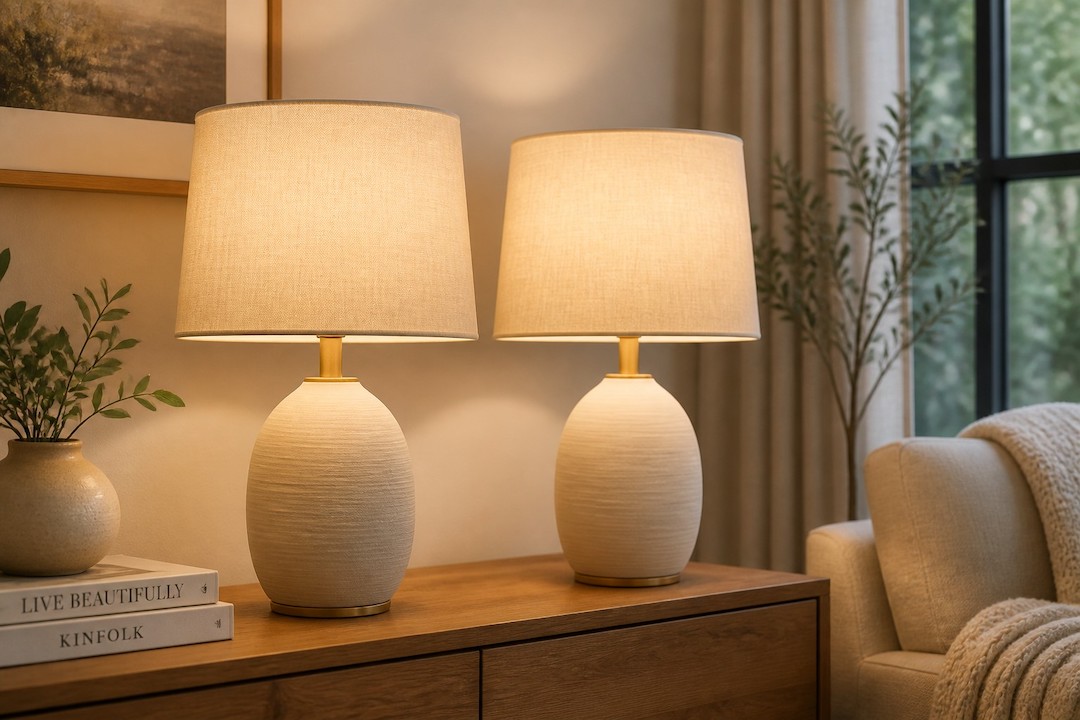
Let’s talk about upgrading your lighting, specifically with flicker-free linen shade table lamps. If you’re wondering whether these lamps are a good idea, the short answer is a resounding “yes.” They offer a significant step up from many standard lighting options, bringing both aesthetic appeal and practical benefits to your space. You’ll get a softer, more inviting glow, and crucially, avoid the eye strain and headaches that often come with flickering lights.
Why Flicker-Free Matters
The human eye is remarkably sensitive. Even imperceptible flickering in a light source can cause strain, fatigue, and even headaches over time. This isn’t just about old fluorescent tubes; many modern LED lights, especially cheaper ones, can still exhibit flicker that, while not always consciously noticed, still impacts our comfort. Flicker-free technology eliminates this, providing a stable, consistent light output that’s much gentler on your eyes and overall well-being.
The Charm of Linen Shades
Beyond the flicker-free technology, the linen shade itself is a game-changer. Unlike plastic or even some fabric shades, linen diffuses light beautifully. It creates a warm, inviting glow rather than a harsh glare, making your space feel cozier and more sophisticated. It’s a natural material that adds a touch of organic texture, fitting seamlessly into a wide range of decor styles.
When you bring a flicker-free linen shade table lamp Cosangas into your home, you’re not just getting a light source; you’re investing in a more comfortable and aesthetically pleasing environment. The combination of these two features offers a compelling list of advantages that go beyond simple illumination.
Enhanced Visual Comfort and Well-being
This is perhaps the most significant benefit. We spend a lot of time under artificial light, and the quality of that light directly impacts how we feel.
Reducing Eye Strain and Fatigue
Constantly adjusting to subtle light fluctuations, even those you don’t consciously register, tires your eyes. Think of it like trying to read a book while someone is subtly dimming and brightening the page – it’s exhausting. Flicker-free lamps provide a steady, uniform light that allows your eyes to relax. This is especially important for tasks like reading, working on a computer, or engaging in hobbies that require fine motor skills and close focus. When your eyes aren’t fighting the light, you can concentrate better and for longer periods without feeling that familiar burn or ache.
Minimizing Headaches and Migraines
For individuals sensitive to light or prone to headaches and migraines, flickering lights can be a major trigger. The consistent light output from a flicker-free lamp removes one potential irritant from their environment. Creating a stable visual field can significantly reduce the likelihood of these debilitating episodes, making living spaces more welcoming and safe. It’s not a cure, of course, but it’s a valuable preventative measure.
Improving Focus and Concentration
When your environment is calm and free from visual distractions, your mind is better able to focus. A flickering light, even if subconscious, can be a subtle source of irritation, pulling your attention away from the task at hand. With stable, comfortable illumination, your brain doesn’t have to work as hard to process the visual information, freeing up cognitive resources for what truly matters – whether that’s work, study, or simply enjoying a good book.
Aesthetic Appeal and Ambiance
Beyond the practical health benefits, these lamps are also designed to look good and create a specific mood.
Soft, Diffused Glow
The linen shade is the star here. Unlike opaque or highly reflective shades, linen allows a gentle portion of the light to pass through its natural fibers. This diffusion process softens the light, eliminating harsh shadows and bright spots. The result is a warm, inviting glow that washes over a space rather than spotlighting it. It’s like the difference between direct sunlight and sunlight filtered through a sheer curtain – both illuminate, but one is much gentler and more pleasant.
Creating a Cozy and Inviting Atmosphere
This soft, diffused light naturally lends itself to creating a sense of coziness. It’s the kind of light you want in a living room for evening conversations, a bedroom for unwinding, or a reading nook. It takes the edge off a room, making it feel more intimate and less stark. This warmth encourages relaxation and comfort, transforming a functional space into a true sanctuary.
Versatility in Decor Styles
Linen is a timeless material. Its natural texture and often neutral color palette (think creams, off-whites, and muted grays) mean that a linen shade lamp can seamlessly integrate into almost any decor style. Whether your home is modern minimalist, rustic farmhouse, classic traditional, or bohemian eclectic, a well-chosen linen shade lamp will complement it beautifully. It’s not a trend; it’s a staple, providing a sophisticated touch without dominating the space.
Energy Efficiency and Longevity
Modern lighting isn’t just about how it looks; it’s also about how it performs over time and its impact on your utility bills.
Pairing with LED Technology
Most flicker-free lamps are designed to house LED bulbs. This is a crucial pairing. LEDs are incredibly energy-efficient, using significantly less electricity than incandescent or even CFL bulbs. This translates directly into lower energy bills for you. Furthermore, LEDs produce very little heat, making them safer and more comfortable to be around, especially in smaller spaces.
Extended Bulb Lifespan
Flicker-free technology, by its nature, often implies a higher quality internal driver in the lamp or bulb. This stable electrical current not only prevents flicker but also contributes to the longevity of the LED bulb. Constant, subtle fluctuations in power can degrade an LED over time, shortening its lifespan. A stable power supply allows the bulb to operate optimally, meaning you won’t be replacing bulbs nearly as often. This saves you money and reduces waste.
Reduced Maintenance
Because the bulbs last longer and the overall system is designed for stability, you’ll find yourself replacing components less frequently. This means less time spent on stepladders screwing in new bulbs and more time simply enjoying your well-lit space. It’s a small convenience that adds up, especially if you have multiple lamps.
How Flicker-Free Technology Actually Works
It’s easy to just say “flicker-free,” but understanding a little bit about how it’s achieved can help you appreciate the value. It’s not magic, it’s engineering, and primarily revolves around how the electrical current is managed.
The Problem of AC Power
Our household electricity comes in the form of Alternating Current (AC). This means the voltage and current constantly reverse direction, typically 50 or 60 times per second (Hertz, Hz). For old incandescent bulbs, this wasn’t a huge issue because the filament retained enough heat to glow continuously, even during the brief moments the current reversed. You didn’t see the flicker.
LED and DC Power
LEDs, however, are Diodes. They only allow current to flow in one direction and operate on Direct Current (DC). This means that to power an LED from AC household current, you need a “driver” (sometimes built into the bulb, sometimes in the lamp itself) to convert AC to DC.
The Role of the LED Driver
This driver is the key to flicker-free operation.
Basic Drivers and Ripple Current
Cheaper LED drivers often use simple rectifiers to convert AC to DC. While this largely achieves the conversion, it doesn’t always smooth out the power perfectly. The output DC current might still have a subtle “ripple” – tiny, rapid fluctuations in voltage. This ripple causes the LED to dim and brighten ever so slightly, mirroring the AC frequency. This is the flicker you might not consciously see but that still affects your eyes. The frequency of this ripple is often twice the AC frequency (e.g., 100 or 120 Hz).
Advanced, Flicker-Free Drivers
Flicker-free drivers incorporate more sophisticated electronic components, primarily capacitors and sometimes more complex power factor correction (PFC) circuits.
Capacitors for Smoothing
Capacitors act like tiny batteries, storing energy when the voltage is high and releasing it when the voltage dips. This “smoothing” action effectively flattens out the ripple current, ensuring a much more stable and constant DC power supply to the LED. The larger and higher quality the capacitors, the better they are at eliminating ripple.
High Frequency Operation
Some flicker-free drivers might also operate at very high switching frequencies, well above the threshold of human perception (e.g., thousands of Hertz). Even if there are tiny fluctuations at this high frequency, our eyes simply cannot detect them.
Pulse Width Modulation (PWM) and Its Pitfalls
It’s worth noting that some LED dimming methods, especially cheaper ones, use a technique called Pulse Width Modulation (PWM). This involves rapidly turning the LED on and off. While effective for dimming, if the switching frequency is too low, or if the “on” time is very short (at very low dimming levels), it can introduce visible or imperceptible flicker. True flicker-free systems either avoid PWM for general operation or use it at extremely high frequencies that are undetectable.
Choosing the Right Flicker-Free Linen Shade Table Lamp
With so many options out there, knowing what to look for can make your decision much easier. It’s about finding the sweet spot between functionality, aesthetics, and budget.
Assessing the Build Quality
A lamp is an investment, and quality construction ensures longevity and safety.
Base Material and Stability
The base of your lamp needs to be sturdy. Look for materials like solid wood, metal (steel, brass, bronze), or heavy ceramic. A wide, weighted base will prevent the lamp from easily tipping over, which is especially important if you have pets or children. A flimsy base can make an otherwise beautiful lamp feel cheap and unstable. Consider the surface it will sit on – a felt bottom can protect furniture.
Shade Construction and Fastenings
Examine the linen shade closely. Good quality linen shades will have a taut, even fabric stretched smoothly over a metal frame. The seams should be clean and well-stitched, with no loose threads or uneven edges. Pay attention to how the shade attaches to the lamp base. A sturdy harp and finial system, or a well-designed spider fitter, will keep the shade centered and secure, preventing wobbling. Cheap shades might sag or warp over time.
Cord and Plug Durability
Don’t overlook the electrical components. The power cord should be robust, not thin and flimsy. A grounded plug (three prongs) is generally safer. Check for certifications like UL (Underwriters Laboratories) in North America or CE in Europe, which indicate that the lamp meets specific safety standards. A well-made cord and plug contribute to both safety and the overall lifespan of the lamp.
Design and Aesthetics
This is where your personal style comes into play. The lamp should complement your existing decor.
Shade Shape and Size
Linen shades come in various shapes: drum, empire, bell, square, rectangular, and more. Consider the overall proportion relative to the lamp base and the space it will occupy. A large, tall lamp might need a wider shade to look balanced, while a small lamp might suit a more compact shape. The shade’s size also influences the spread of light. A wider shade will diffuse light over a larger area.
Base Style and Finish
The lamp base sets the tone. Do you prefer a sleek, modern metal finish (brushed nickel, chrome, matte black)? Or perhaps something more traditional like an oil-rubbed bronze or a classic wooden base? Ceramic bases can offer texture and color. Mid-century modern bases often feature geometric shapes or natural wood. Consider how the base material and finish will interact with other elements in your room.
Linen Texture and Color
While often thought of as off-white, linen shades come in subtle variations. Some have a more pronounced, slubby texture, while others are smoother. The color can range from bright white to cream, natural beige, or even subtle grays and blues. Think about the overall color scheme of your room. A natural linen color often works universally, but a slightly darker shade might add depth to a lighter room, or vice versa.
Features to Look For
Modern lamps offer more than just an on/off switch. These features can enhance usability.
Dimmability
A flicker-free dimmable lamp is highly desirable. This allows you to adjust the light output to suit different moods or tasks, from bright task lighting to a soft ambient glow. Ensure that both the lamp’s wiring and the bulb you choose are rated for dimming. Some flicker-free drivers are specifically designed to maintain flicker-free performance even at low dimming levels, which is a significant advantage.
USB Charging Ports
Many contemporary table lamps now include built-in USB charging ports. This is incredibly convenient for charging smartphones, tablets, or other small electronic devices right at your bedside table or living room end table, reducing cable clutter. Check if it’s a standard USB-A or a faster USB-C port.
Smart Home Compatibility
If you’re integrating your home with smart technology, look for lamps that are compatible with smart bulbs (like Philips Hue or LIFX) or smart plugs. This allows you to control the lamp with voice commands, schedule it to turn on and off, or integrate it into lighting scenes. While the lamp itself might not be “smart,” its compatibility with smart bulbs is key.
Placement and Styling Tips for Your New Lamp
Where you put your lamp and how you style it can make a big difference in how it functions and how it looks in your space.
Ideal Locations for Table Lamps
Strategic placement maximizes both the light’s utility and its aesthetic impact.
Bedside Tables
This is a classic spot for a reason. A flicker-free linen shade lamp on a bedside table provides comfortable reading light without straining your eyes before bed. Its soft glow also helps create a relaxing atmosphere for winding down. Ensure the lamp is tall enough to cast light over your shoulder if you read in bed, and that the switch is easily accessible.
Living Room End Tables
Placed next to a sofa or armchair, these lamps provide ambient lighting for conversation areas or focused light for reading. They also serve as decorative elements, adding visual weight and balance to your furniture arrangement. Consider pairing two lamps on either end of a sofa for symmetry and balanced illumination.
Entryway Consoles
An entryway lamp provides a welcoming glow when you enter your home. It’s practical for dropping keys or mail, and creates an inviting first impression. A lamp here can be more decorative, acting as a focal point, especially if paired with some art or a mirror.
Home Office Desks
While not a primary task light (you might need a dedicated desk lamp for that), a flicker-free linen shade lamp on a desk can provide excellent ambient light, reducing harsh contrasts and contributing to overall visual comfort, especially during longer work sessions. It helps to soften the often-stark feel of a home office.
Complementary Decor
Think about the overall vignette, not just the lamp itself.
Pairing with Furniture Styles
A lamp should feel like it belongs. A rustic wooden base lamp will look great on a reclaimed wood table. A sleek metal base suits a minimalist glass or chrome table. Consider the scale as well – a dainty lamp on a heavy, chunky table can look out of place, and vice versa. The lamp should enhance, not compete with, the furniture it sits on or next to.
Color Palette Harmony
Linen shades, being quite neutral, are forgiving. However, the base color and any accent colors in the shade (if present) should work with your room’s palette. If your room is full of cool tones (blues, grays), a lamp with silver or white accents might fit better than warm brass. Conversely, if you have earthy tones, a brass or dark wood base would be a natural choice.
Adding Decorative Objects
Lamps often anchor a vignette. Flank them with books, small sculptures, plants, or decorative boxes. These objects should be varied in height and texture to create visual interest. Avoid clutter, though; the goal is curated elegance. A simple stack of art books and a small plant can be enough to elevate the entire area around the lamp.
Maintenance and Care for Longevity
Taking care of your lamp ensures it continues to look good and function effectively for years to come.
Cleaning the Linen Shade
Linen shades can attract dust, so regular cleaning is essential.
Regular Dusting
The easiest way to keep your shade looking fresh is regular dusting. Use a soft brush attachment on your vacuum cleaner on a low setting, gently running it over the shade’s surface. Alternatively, a lint roller works well for picking up dust and pet hair. For more delicate shades, a soft, dry microfiber cloth can be used to wipe the surface. Do this weekly or bi-weekly.
Spot Cleaning for Stains
For small, localized stains, act quickly. Blot the stain gently with a clean, white cloth dampened with a mild, pH-neutral soap solution (like a tiny drop of dish soap in water). Always test in an inconspicuous area first to ensure no discoloration. Avoid saturating the fabric. Once blotted, gently blot with a clean, damp cloth to rinse, then pat dry. Let it air dry completely. Never rub vigorously, as this can spread the stain or damage the linen fibers.
Avoiding Harsh Cleaners
Never use harsh chemical cleaners, bleach, or abrasive scrubs on a linen shade. These can permanently damage the fabric, causing discoloration, weakening the fibers, or leaving residue. Stick to gentle, diluted solutions. If you have a particularly stubborn stain, it might be best to consult a professional cleaner.
Caring for the Lamp Base
The base material will dictate the best cleaning approach.
Wood Bases
For wood bases, dust regularly with a soft, dry cloth. For a deeper clean, use a wood cleaner specifically designed for furniture, applied with a soft cloth. Avoid using water directly on wood, as it can cause swelling or warping. If the wood is sealed or stained, you might consider occasional polishing with furniture wax or polish to maintain its luster.
Metal Bases
Metal bases can typically be wiped down with a soft, damp cloth. For polished metals like brass or chrome, use a micro-fiber cloth to avoid streaks or scratches. Avoid abrasive cleaners. For tarnished brass or copper, use a specialized metal polish following the product instructions, but be gentle and test a small area first. Brushed metals often only need a gentle wipe.
Ceramic and Glass Bases
These are generally the easiest to clean. A soft cloth dampened with a mild all-purpose cleaner or glass cleaner (for glass) will do the trick. Ensure the lamp is unplugged and the base is completely dry before plugging it back in. Avoid letting water seep into any electrical components.
Electrical Maintenance
While flicker-free lamps are designed for longevity, a few precautions can help.
Checking for Loose Connections
Occasionally, check the lamp’s plug and bulb socket for any looseness. If a bulb is flickering, and you know it’s a flicker-free bulb, it could be a loose connection in the socket. Unplug the lamp, then gently tighten the bulb. If the problem persists, it might be an issue with the bulb itself or the lamp’s internal wiring, and professional inspection might be needed.
Replacing Bulbs Correctly
When it’s finally time to replace the LED bulb (which won’t be often!), ensure you’re using a compatible bulb. If the lamp is dimmable, make sure the new bulb is also rated for dimming. Always unplug the lamp before changing a bulb to prevent electrical shock. Screw the new bulb in firmly but don’t overtighten it.
Keeping Cords Tidy and Safe
Ensure power cords are not pinched under furniture, run through high-traffic areas where they could be tripped over, or placed near heat sources. Frayed or damaged cords should be replaced immediately by a qualified electrician, as they pose a fire hazard.
By following these simple care instructions, your flicker-free linen shade table lamp will not only continue to provide beautiful, comfortable light but will also remain a stylish and functional element of your home for many years to come. It’s a worthwhile investment in both your home’s aesthetic and your personal well-being.